Your Leading Lockout Tag Supplier
Wenzhou HiLink Trade Development Co., Ltd. was established in 2014, with its headquarters located in Wenzhou, China. Since its inception, the company has been dedicated to the production and sales of high-quality safety lockout tags, aiming to provide exceptional products and services to customers around the world. Over the years, we have established long-term partnerships with many well-known companies both domestically and internationally, gaining widespread trust and support from our clients.
-
![Lockout Tagout Tag]() Lockout Tagout Taga) Made from PVC material.view more
Lockout Tagout Taga) Made from PVC material.view more
b) Can be written by erasable pen.
c) Use with padlock to remind that the device has been lockout and can not be operated .It can only be opened by the one who lock it.
d) On tag,... -
![Safety Lockout Tag Roll]() Safety Lockout Tag Rolla) Box features center hole for mounting.view more
Safety Lockout Tag Rolla) Box features center hole for mounting.view more
b) Prevent accidental or unexpected start-up or release of stored energy when working on equipment or machinery.
c) 200 pcs a roll. -
![Safety PVC Lockout Tag]() Safety PVC Lockout TagDo not operate tag are designed in a red and white color scheme to make the warning signs more visible and effective in communicating important safety information to employees and visitors on the job siteview more
Safety PVC Lockout TagDo not operate tag are designed in a red and white color scheme to make the warning signs more visible and effective in communicating important safety information to employees and visitors on the job siteview more -
![Customized ID Tag]() Customized ID TagYou can put any information you prefer to show on the tag, company name, personal photo, name, contact number or anything else necessary.view more
Customized ID TagYou can put any information you prefer to show on the tag, company name, personal photo, name, contact number or anything else necessary.view more -
![Danger Lockout Tag]() Danger Lockout TagElevate your industrial safety standards with our Danger Lockout Tag—a pivotal component in ensuring robust Lockout Tagout procedures. Proudly engineered in China, this tag is manufactured from resilient PVC material and designed with a...view more
Danger Lockout TagElevate your industrial safety standards with our Danger Lockout Tag—a pivotal component in ensuring robust Lockout Tagout procedures. Proudly engineered in China, this tag is manufactured from resilient PVC material and designed with a...view more -
![DO NOT OPERATE Lockout Tag]() DO NOT OPERATE Lockout Taga)DO NOT OPERATE Lockout Taga) Made from PVC material.view more
DO NOT OPERATE Lockout Taga)DO NOT OPERATE Lockout Taga) Made from PVC material.view more
b) Can be written by erasable pen.
c) Use with padlock to remind that the device has been lockout and can not be operated .It can only be opened by the one who... -
![Maintenance Department Lockout Tag]() Maintenance Department Lockout Taga) Made from PVC material.view more
Maintenance Department Lockout Taga) Made from PVC material.view more
b) Can be written by erasable pen.
c) Use with padlock to remind that the device has been lockout and can not be operated .It can only be opened by the one who lock it. -
![Scaffold Holder Tag]() Scaffold Holder Taga) Made from ABS.view more
Scaffold Holder Taga) Made from ABS.view more
b) Provides system, procedural and legal compliance for scaffolds on work sites.
c) Provides a clear inspection trail giving integrity and control of work carried out.
d) The tags are... -
![Large Munti-Functional Scaffold Holder Tag]() Large Munti-Functional Scaffold Holder Taga) Made from ABS.view more
Large Munti-Functional Scaffold Holder Taga) Made from ABS.view more
b) Provides system, procedural and legal compliance for scaffolds on work sites.
c) Do Not Use Equipment printed on the front.


Why Choose Us?
Our factory
Our factory has more than 60 employees, including more than 10 technical research and development personnel, we maintain a high frequency of product innovation, and customized products according to customer needs.
Our product
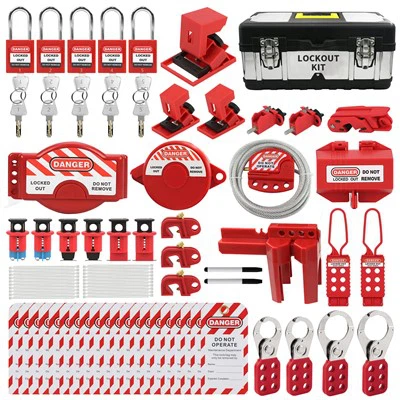
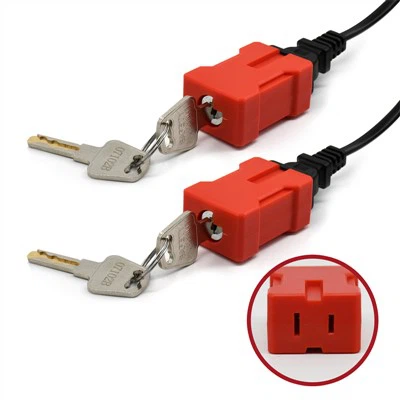
Safety Lockout Tagout Products(Safety Padlock,Valve Lockout,Circuit breaker lockout, Lockout Hasp, Electrical Lockout, Pneumatic lockout, Lockout Station&box ,lockout tag, lockout kit, Safety and labor protection products
Product application
Industry, oil and gas industry, factory, mining, power industry, household,Biomedical, food processing and other industries
Customized
We maintain a high frequency of product innovation, and customized products according to customer needs.
Caution tag:
Caution tag implements in minor hazard situations that show the potential or non-immediate hazard or unsafe practice presents not quickly life-threatening.
Do not operate tags:
Companies use do to operate tag to improve the safety of workers and employees within the facility. The best solution is to inform and warn workers before using the equipment or machinery.
Equipment lockout tag:
Effective lockout program helps the industry to prevent major hazard. The equipment lockout tag is ideal for avoiding contact with the danger when carrying out the task and securing the energy isolated device in the right position.
Fire inspection tag:
Using a fire inspection tag is best to make sure that you view the status of the extinguisher. It is a valuable aid to manage extinguishers in a good condition and ready for fire.
Lockout photo tag:
Industries put a photo on the lockout and safety program with the lockout photo tag. It is available with a clear pocket to place the employee photo or ID and boost the personality to the accident and safety prevention.
Out of service tag:
Out of service tag specifies a piece of machinery or equipment not used until the desired component replaces or repaired. It is the best way to take out the unsafe equipment and plant from the service.
Scaffold tag:
The Scaffold tags are an important asset for making a safe workplace for employees who work on the scaffold. Companies rely on such items to safeguard the well-being and lives of employees. It manages different details like restrictions, limitations, safety information relevant to the specific scaffold.
Preventing accidents and injuries
Lockout tagout is a highly effective tool for preventing accidents and injuries, making it a safety measure that is well worth the time and energy involved. Well, lockout tagout helps safeguard workers from unexpected energization of machinery by keeping the equipment securely shut down for a temporary period of time. Often it is used so that workers can safely engage in tasks such as repairs, adjustments, or cleaning. With a lock to physically secure the machine and a tag with important information, workers are able to conduct the necessary jobs on equipment that is in a safe, deactivated state, minimizing the risk of harm.
Compliance with OSHA standards
Another clear benefit to performing lockout tagout procedures is the fact that they are a way to check for compliance with safety standards. In the United States, the Occupational Safety and Health Administration (OSHA) is the governing body that establishes and regulates standards for workplace safety.
Protecting workers’ lives and well-being
Lockout tagout serves as the frontline safety measure against hazardous energy or accidental machine start up for workers. Because of this, it is a vital aspect of workplace safety.
Facilitating clear communication
Clear communication is essential in any workplace, especially when it comes to safety. However, communication isn’t always verbal. Particularly in buildings with loud machinery or many workers, the locks and tags used in lockout tagout can serve as a visual and unmistakable signal to all personnel that specific equipment is undergoing maintenance and should not be operated. This visual communication from the tag helps prevent misunderstandings and reinforces a culture of safety throughout the organization.

OSHA Requirements for Tagout Devices:
Durable
Tagout devices must be built and printed in such a way that exposure to weather or damp environments does not cause the lockout tag to deteriorate or the message on the lockout tag to become unreadable. When utilized in corrosive conditions, such as locations where acid and alkali chemicals are handled and stored, tags must not also deteriorate.
Substantial
Tagout devices, including their attachment methods, must be sturdy enough to prevent removal through excessive force. Tagout device attachment methods must be non-reusable and attachable by hand. It should also be non-releasable with a minimum unlocking strength of 50 pounds and be designed in a way that is comparable to a durable nylon cable tie that can be used in all types of environments.
Identifiable
Lockout/tagout tags must have the identity of the employee who applied them, and tagout devices must also provide warnings of hazardous conditions and include a clear legend to prevent machines or equipment from starting or operating. This includes legends such as “Do Not Start,” “Do Not Open,” “Do Not Close,” “Do Not Energize,” and “Do Not Operate.” Tags must also be securely attached to the hazard, as close as possible, using attachment means at least equivalent in strength and durability to a one-piece, all-environment-tolerant nylon cable tie.
Packing & Delivery:
Packing details:
We have regular packing and can do as you request.
Shipping methods:
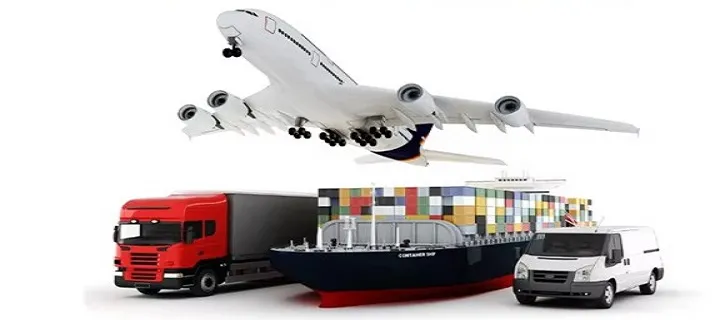
By Air Or By Sea (FOB ports:Shanghai /Ningbo),By Express (EMS,FEDEX,UPS,TNT,DHL).
Payment term:
Normally T/T, Paypal, Western union and Alibaba trade assurance, etc.

Our Certificate:


Our Partners:


FAQ
Find professional lockout tag manufacturers and suppliers in China here! We warmly welcome you to wholesale high quality lockout tag made in China here from our factory. Contact us for more details.
Safety Lockout Tag Roll, Customized ID Tag, lockout tag