

How do I choose the right insulated lockout hasp for my needs?
When it comes to workplace safety, especially in environments where electrical hazards are present, choosing the right insulated lockout hasp is crucial. As a supplier of insulated lockout hasps, I understand the importance of making an informed decision. In this blog, I'll guide you through the key factors to consider when selecting the perfect insulated lockout hasp for your specific needs.
Understanding the Basics of Insulated Lockout Hasps
Insulated lockout hasps are safety devices designed to prevent unauthorized access to electrical equipment during maintenance, repair, or servicing. They are made from non - conductive materials that provide a barrier between the user and potentially live electrical components. This insulation helps to protect workers from electrical shocks, which can be fatal in high - voltage environments.
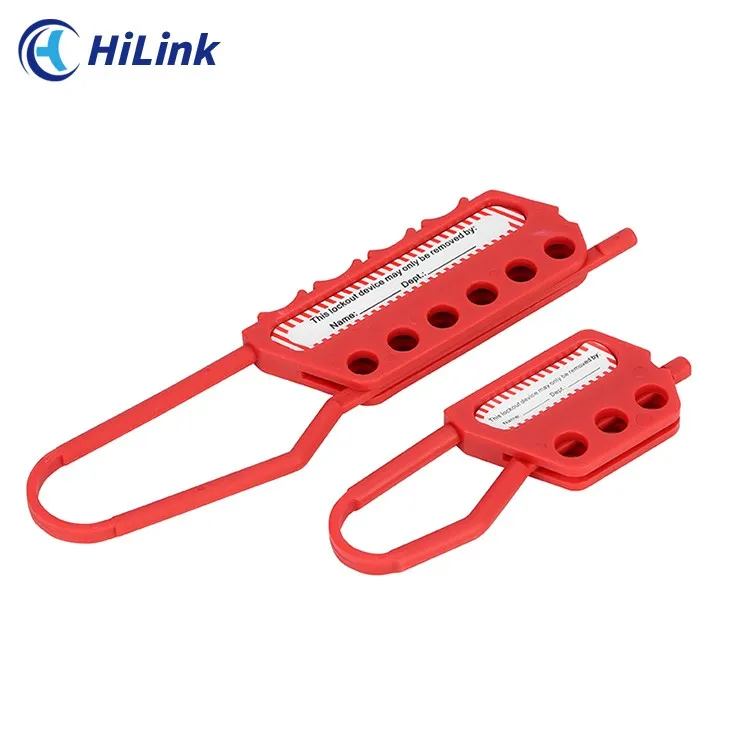
There are different types of insulated lockout hasps available in the market. For instance, the Electrical Insulated Lockout Hasp is specifically designed for use in electrical systems. It is engineered to withstand high voltages and provide reliable insulation. On the other hand, the Safety Insulated Lockout Hasp is more general - purpose and can be used in various industries where safety from electrical and other hazards is required.

Key Factors to Consider When Choosing an Insulated Lockout Hasp
Voltage Rating
One of the most important factors to consider is the voltage rating of the insulated lockout hasp. The voltage rating indicates the maximum voltage that the hasp can safely insulate against. You need to determine the voltage of the electrical equipment you'll be working on. If you're dealing with low - voltage systems (e.g., less than 120V), a hasp with a lower voltage rating may be sufficient. However, for high - voltage systems (e.g., 480V or above), you must choose a hasp with a high voltage rating to ensure proper insulation and safety.
Material Quality
The material used in the construction of the insulated lockout hasp is also critical. High - quality non - conductive materials such as fiberglass, nylon, or certain types of plastics are commonly used. These materials should have good mechanical strength to withstand normal wear and tear, as well as environmental factors such as heat, cold, and moisture. A well - made hasp will not crack, break, or lose its insulating properties over time. For example, a hasp made from high - grade fiberglass will be more durable and reliable compared to a cheaper plastic alternative.
Shackle Diameter
The shackle diameter is another important consideration. A larger shackle diameter generally provides more strength and durability. The 3mm Diameter Shackle Non - Conductive Lockout Hasps are suitable for applications where a smaller, more compact hasp is required. However, if you need to secure larger equipment or if there is a risk of the hasp being subjected to significant force, a hasp with a larger shackle diameter may be a better choice.
Number of Locking Positions
The number of locking positions on the insulated lockout hasp determines how many padlocks can be attached. In a multi - worker environment, it's important to have a hasp with multiple locking positions. This allows each worker to place their own padlock on the hasp, ensuring that the equipment cannot be energized until all workers have removed their locks. A hasp with at least 4 - 6 locking positions is recommended for most industrial applications.
Visibility
Visibility is crucial for safety. A brightly colored insulated lockout hasp is more likely to be noticed, reducing the risk of accidental energization of the equipment. Look for hasps that come in high - visibility colors such as red, yellow, or orange. Some hasps also have reflective markings that make them even more visible in low - light conditions.
Industry - Specific Considerations
Different industries have different requirements when it comes to insulated lockout hasps.
Electrical Industry
In the electrical industry, compliance with electrical safety standards is of utmost importance. The hasps must meet relevant electrical codes and standards, such as those set by the National Electrical Code (NEC) in the United States. Electrical workers often deal with high - voltage equipment, so they need hasps with high voltage ratings and excellent insulation properties.
Manufacturing Industry
Manufacturing plants typically have a variety of electrical and mechanical equipment. The hasps used in manufacturing should be durable enough to withstand the rigors of a busy production environment. They also need to be easy to use, as workers may need to quickly lock out and unlock equipment during maintenance or shift changes.
Construction Industry
In the construction industry, where work sites are often exposed to the elements, hasps need to be weather - resistant. They should be able to withstand rain, dust, and extreme temperatures without losing their insulating properties. Additionally, construction workers may need to carry the hasps around, so lightweight and portable options are preferred.
Cost - Benefit Analysis
While cost is always a consideration, it should not be the only factor when choosing an insulated lockout hasp. A cheaper hasp may save you money upfront, but it may not provide the same level of safety and durability as a more expensive, high - quality option. Consider the long - term costs, such as the potential for equipment damage or worker injury if a low - quality hasp fails. A high - quality hasp may cost more initially, but it can save you money in the long run by preventing accidents and ensuring compliance with safety regulations.
Conclusion
Choosing the right insulated lockout hasp for your needs requires careful consideration of several factors, including voltage rating, material quality, shackle diameter, number of locking positions, visibility, and industry - specific requirements. By taking the time to evaluate these factors, you can select a hasp that provides reliable insulation and safety for your workers and equipment.
If you're in the market for insulated lockout hasps and need further assistance in making the right choice, feel free to reach out to us. We have a wide range of products to meet your specific needs, and our team of experts can provide you with detailed information and guidance. Contact us today to start a conversation about your insulated lockout hasp requirements and explore the best options for your business.
References
- Electrical Safety Standards Handbook
- Industry - specific Safety Guidelines for Different Sectors


