

As a supplier of insulated lockout hasps, I am often asked about how these essential safety devices work. In this blog post, I'll delve into the inner workings of insulated lockout hasps, explaining their design, functionality, and the critical role they play in electrical safety.

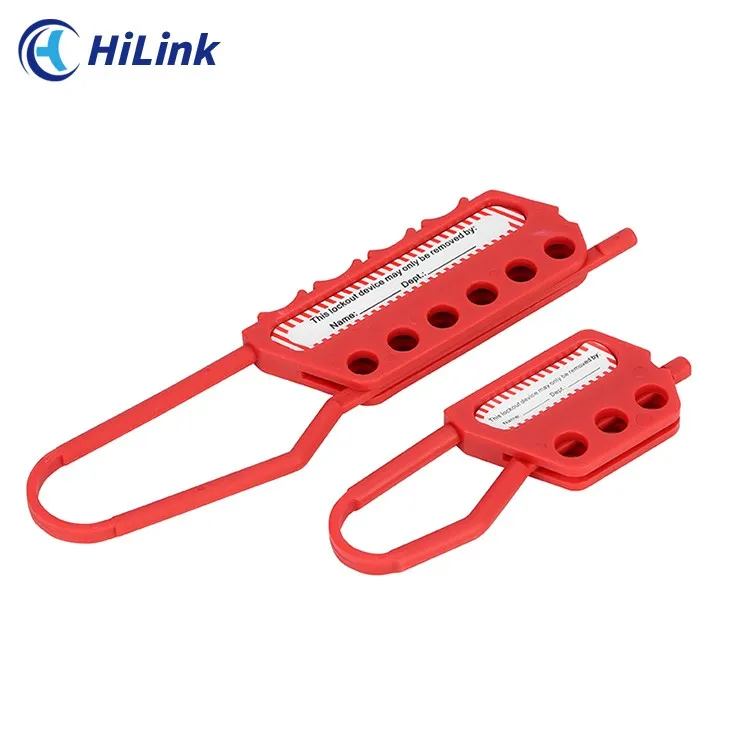
Understanding the Basics of Insulated Lockout Hasps
Insulated lockout hasps are specialized safety tools designed to prevent accidental energization of electrical equipment during maintenance, repair, or servicing. They are a key component of a comprehensive lockout/tagout (LOTO) program, which is mandated by safety regulations to protect workers from the hazards of unexpected energy release.
The primary function of an insulated lockout hasp is to physically block the operation of a circuit breaker, switch, or other electrical control device. By inserting a lock through the hasp, multiple workers can attach their individual locks, indicating that the equipment is not to be energized until all locks are removed. This ensures that only authorized personnel can access and operate the equipment, reducing the risk of electrical accidents.
The Design and Components of an Insulated Lockout Hasp
Insulated lockout hasps are typically made from high-quality, non-conductive materials such as fiberglass or plastic. These materials provide excellent electrical insulation, preventing the flow of electricity through the hasp and protecting the user from electrical shock.
The main components of an insulated lockout hasp include:
- Shackle: The shackle is the U-shaped part of the hasp that passes through the openings of the circuit breaker or switch. It is designed to be strong and durable, capable of withstanding the force required to lock and unlock the hasp. We offer 6mm Diameter Shackle Non-Conductive Lockout Hasps and 3mm Diameter Shackle Non-Conductive Lockout Hasps to meet different application needs.
- Body: The body of the hasp houses the locking mechanism and provides a surface for attaching locks. It is usually designed to be ergonomic, making it easy to handle and operate.
- Locking Mechanism: The locking mechanism is the heart of the hasp, ensuring that the shackle remains securely in place when locked. There are several types of locking mechanisms available, including padlock-style locks, combination locks, and key-operated locks.
How an Insulated Lockout Hasp Works
The operation of an insulated lockout hasp is relatively straightforward. Here's a step-by-step guide on how to use one:
- Select the Appropriate Hasp: Choose a hasp that is compatible with the size and type of circuit breaker or switch you are working with. Make sure the hasp is rated for the voltage and current of the electrical system.
- Open the Hasp: If the hasp is equipped with a locking mechanism, use the appropriate key or combination to unlock it. Open the shackle by lifting it up and out of the body of the hasp.
- Position the Hasp: Place the hasp over the circuit breaker or switch, aligning the shackle with the openings in the device. Make sure the hasp is centered and secure.
- Close the Hasp: Lower the shackle back into the body of the hasp, ensuring that it is fully engaged. If the hasp is equipped with a locking mechanism, lock it using the appropriate key or combination.
- Attach Locks: Once the hasp is locked, attach one or more locks to the hasp. Each lock should be assigned to an individual worker, and only that worker should have the key or combination to unlock their lock.
- Verify the Lockout: Before starting any work on the electrical equipment, verify that the lockout is in place and that all locks are attached. Check the circuit breaker or switch to ensure that it cannot be operated.
- Remove the Locks: When the work is complete, remove all locks from the hasp in the reverse order in which they were attached. Unlock the hasp using the appropriate key or combination, and open the shackle. Remove the hasp from the circuit breaker or switch.
The Importance of Insulated Lockout Hasps in Electrical Safety
Insulated lockout hasps play a crucial role in protecting workers from the hazards of electrical shock and electrocution. By preventing accidental energization of electrical equipment, they help to reduce the risk of electrical accidents and injuries in the workplace.
In addition to providing physical protection, insulated lockout hasps also serve as a visual reminder of the lockout/tagout procedure. The presence of multiple locks on a hasp indicates that the equipment is not to be operated, and it helps to ensure that all workers are aware of the safety precautions in place.
Choosing the Right Insulated Lockout Hasp
When choosing an insulated lockout hasp, there are several factors to consider, including:
- Voltage Rating: Make sure the hasp is rated for the voltage and current of the electrical system you are working with. Using a hasp with a lower voltage rating can result in electrical shock or electrocution.
- Shackle Size: Choose a hasp with a shackle size that is compatible with the openings in the circuit breaker or switch you are working with. A shackle that is too small may not provide a secure fit, while a shackle that is too large may not fit through the openings.
- Locking Mechanism: Consider the type of locking mechanism that is best suited for your application. Padlock-style locks are the most common type of locking mechanism, but combination locks and key-operated locks may also be available.
- Material: Look for a hasp that is made from high-quality, non-conductive materials such as fiberglass or plastic. These materials provide excellent electrical insulation and are durable enough to withstand the rigors of daily use.
We offer a wide range of Electrical Insulated Lockout Hasp to meet the needs of different industries and applications. Our hasps are designed to be safe, reliable, and easy to use, and they are backed by our commitment to quality and customer satisfaction.
Conclusion
Insulated lockout hasps are essential safety tools that play a critical role in protecting workers from the hazards of electrical shock and electrocution. By understanding how they work and choosing the right hasp for your application, you can help to ensure the safety of your workers and prevent electrical accidents in the workplace.
If you have any questions about insulated lockout hasps or would like to learn more about our products, please contact us. We would be happy to assist you with your lockout/tagout needs and help you choose the right products for your application.
References
- Occupational Safety and Health Administration (OSHA). (2015). Lockout/Tagout. Retrieved from https://www.osha.gov/lockout-tagout
- National Fire Protection Association (NFPA). (2017). NFPA 70E: Standard for Electrical Safety in the Workplace. Quincy, MA: NFPA.
- American Society of Safety Professionals (ASSP). (2016). Guidelines for Lockout/Tagout Programs. Des Plaines, IL: ASSP.


