

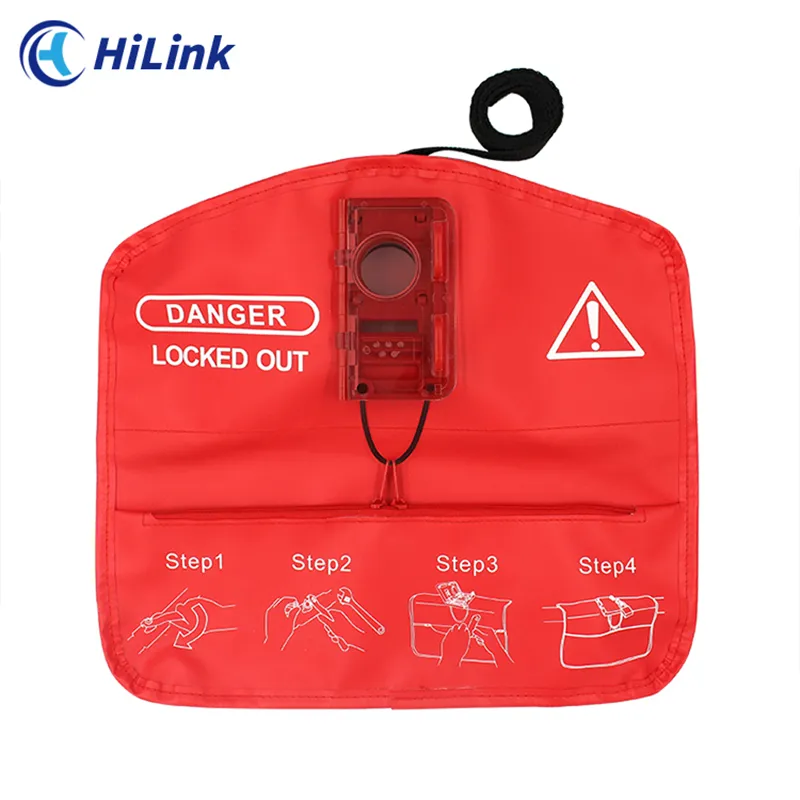
Hey there! As a supplier of ball valve lockout devices, I know how crucial it is to ensure these devices work properly. Testing the functionality of a ball valve lockout isn't just a formality; it's a safety necessity. In this blog, I'll walk you through the steps to test a ball valve lockout effectively.
Why Testing is a Big Deal
Before we jump into the testing process, let's talk about why it matters. Ball valve lockouts are used to prevent unauthorized operation of valves, which can be a huge safety risk in industrial settings. If a lockout fails, it could lead to leaks, equipment damage, or even endanger the lives of workers. So, regular testing is a must to keep everything running smoothly and safely.
Pre - test Checks
First things first, you need to do some pre - test checks. Start by visually inspecting the ball valve lockout. Look for any signs of damage, like cracks, dents, or worn - out parts. If you spot any issues, it's best to replace the lockout right away. Also, make sure the lockout is the right size and type for the valve you're using. A mismatched lockout won't work effectively.
Testing the Fit
The next step is to test the fit of the ball valve lockout. Place the lockout on the valve handle. It should fit snugly without any excessive play. If it's too loose, it might not prevent the valve from being turned. On the other hand, if it's too tight, it could be difficult to install or remove, which defeats the purpose.
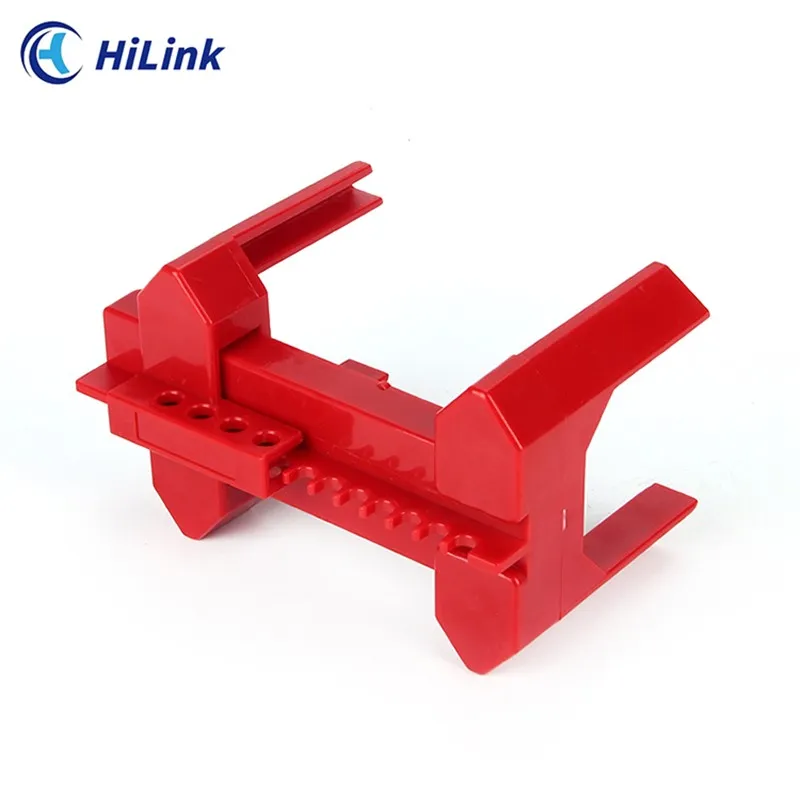
For example, our Adjustable Ball Valve Lockout Device is designed to offer a customizable fit. You can adjust it to fit different valve handle sizes, ensuring a proper fit every time. This adjustability makes it easier to test the fit as you can fine - tune it until it's just right.
Locking Mechanism Test
Now, let's test the locking mechanism. Most ball valve lockouts use a padlock or a similar locking device. Insert the padlock into the lockout and make sure it engages properly. Try to turn the valve handle while the lockout is locked. The valve should not move at all. If it does, there's a problem with the locking mechanism.
Check the key operation as well. The key should turn smoothly in the padlock, and the lock should open and close without any issues. If the key is hard to turn or the lock doesn't open properly, it could be a sign of a faulty lock or a problem with the lockout's design.
Our Handle - Off Ball Valve Lockout has a reliable locking mechanism. It's designed to keep the valve handle securely in place, preventing any accidental or unauthorized operation. You can easily test the locking function by following the steps I mentioned above.
Durability Testing
In real - world scenarios, ball valve lockouts are exposed to various environmental conditions. So, it's important to test their durability. You can do a simple stress test by applying some gentle pressure on the lockout. Try to bend or twist it slightly. A good quality lockout should be able to withstand this kind of stress without breaking or deforming.
If the lockout is made of plastic, check for any signs of brittleness. Plastic lockouts can become brittle over time, especially if they're exposed to extreme temperatures or chemicals. If you notice any signs of brittleness, it's time to replace the lockout.
Our 4 - Legged Ball Valve Lockout is made of high - quality materials that are designed to be durable. It can withstand harsh environmental conditions, making it a great choice for industrial applications. You can trust it to keep your valves locked and secure for a long time.
Repeat Testing
Testing isn't a one - time thing. You should repeat the tests regularly, especially if the lockout is used frequently or in a harsh environment. Regular testing helps you catch any potential problems early on and ensures that the lockout continues to work effectively.
Documentation
It's also a good idea to keep a record of the tests. Document the date of the test, the results, and any actions taken. This documentation can be useful for compliance purposes and for tracking the performance of the lockouts over time.
Conclusion
Testing the functionality of a ball valve lockout is an important part of maintaining a safe working environment. By following the steps I've outlined in this blog, you can ensure that your ball valve lockouts are working properly. Remember, safety should always be your top priority.
If you're in the market for high - quality ball valve lockouts or have any questions about testing or using them, don't hesitate to reach out. We're here to help you find the right solutions for your needs. Contact us for more information and let's start a conversation about how we can work together to keep your operations safe.
References
- Industrial Safety Standards Handbook
- Valve Lockout Manufacturer's Guides


