

As a supplier of gun cable locks, I often get asked about the materials used in their construction. Understanding the materials is crucial as it directly impacts the lock's durability, security, and overall performance. In this blog, I'll delve into the common materials employed in gun cable locks, their properties, and how they contribute to the lock's functionality.
Stainless Steel Cables
One of the most prevalent materials for gun cable locks is stainless steel. Stainless steel cables offer a remarkable combination of strength, corrosion resistance, and flexibility. These cables are typically made from high - grade stainless steel alloys, such as 304 or 316 stainless steel.
304 stainless steel is widely used due to its excellent balance of strength and cost - effectiveness. It contains chromium and nickel, which form a passive oxide layer on the surface of the cable. This layer protects the steel from oxidation and corrosion, making it suitable for both indoor and outdoor use. For example, in humid environments or areas prone to moisture, a gun cable lock made of 304 stainless steel will resist rust and maintain its integrity over time.
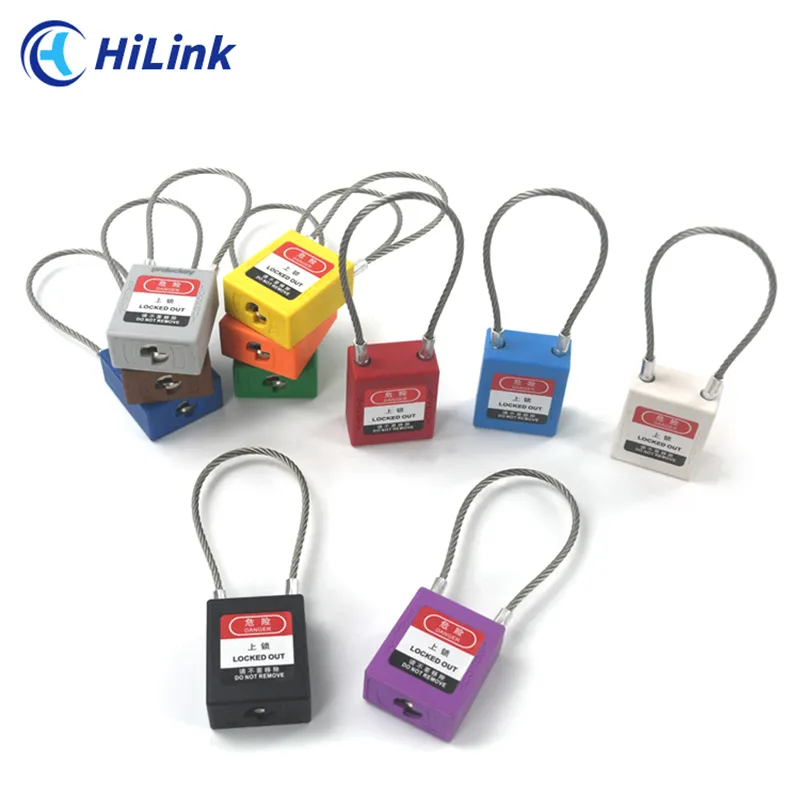
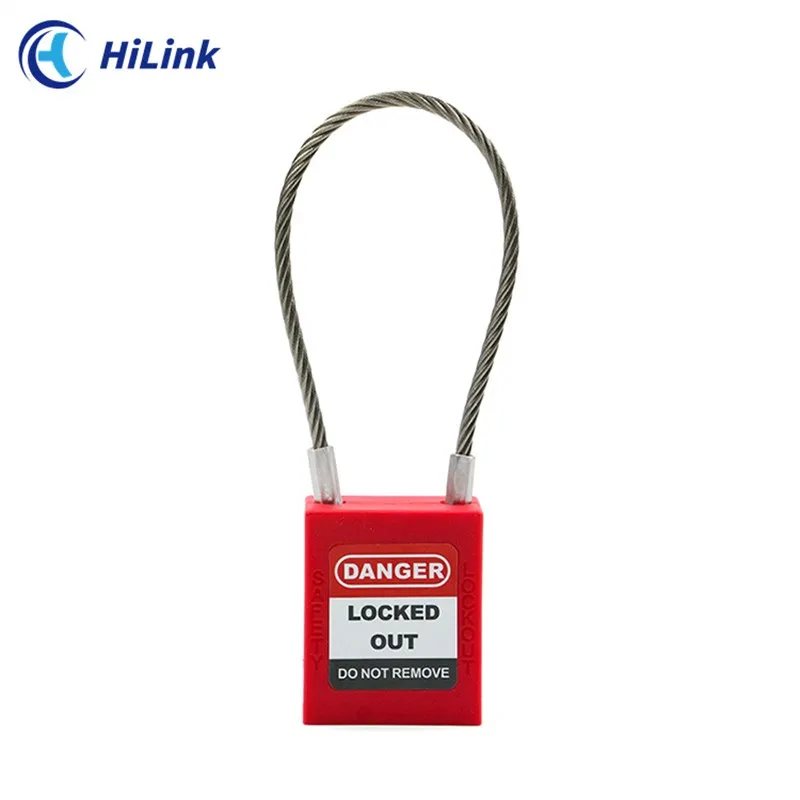
316 stainless steel, on the other hand, is even more corrosion - resistant. It has a higher molybdenum content compared to 304 stainless steel, which enhances its resistance to pitting and crevice corrosion. This makes 316 stainless steel an ideal choice for gun cable locks that will be exposed to harsh chemicals, saltwater, or extreme weather conditions.
The flexibility of stainless steel cables is another advantage. They can be easily wrapped around gun barrels, frames, or other parts of the firearm, providing a secure fit. This flexibility also allows for easy installation and removal of the lock. Our company offers a Stainless Steel Cable LOTO Lock that features a high - quality stainless steel cable. It is designed to provide reliable security for your firearms while being easy to use.
Padlock Bodies
The padlock body is an essential part of the gun cable lock, as it houses the locking mechanism. Padlock bodies are commonly made from materials such as brass, steel, or zinc alloy.
Brass is a popular choice for padlock bodies. It is a copper - zinc alloy that offers good corrosion resistance, durability, and aesthetic appeal. Brass has a relatively low melting point, which makes it easy to cast into complex shapes. Padlocks with brass bodies are often more resistant to scratches and dents compared to some other materials. They also have a classic look that many users find appealing.
Steel is another common material for padlock bodies. High - strength steel provides excellent security, as it is difficult to break or cut. Steel padlock bodies can be heat - treated to increase their hardness and resistance to tampering. However, steel is more prone to rust compared to brass, so it usually needs to be coated or treated to prevent corrosion.
Zinc alloy is a lightweight and cost - effective option for padlock bodies. It has good casting properties, allowing for the production of intricate designs. Zinc alloy padlocks are often used in applications where weight is a concern or where a more affordable option is required. However, they may not be as strong as brass or steel padlocks, so they are typically used in less demanding security situations.
Our Stainless Steel Cable Shackle Grey Padlock features a durable steel padlock body that provides reliable security for your gun cable lock. The combination of a stainless steel cable and a strong steel padlock body makes it a great choice for protecting your firearms.
Locking Mechanisms
The locking mechanism is the heart of the gun cable lock. It determines how easily the lock can be opened and closed, as well as its resistance to picking and tampering. Common materials used in locking mechanisms include brass, steel, and various types of alloys.
Brass is often used for key pins and other internal components of the locking mechanism. It is a soft metal that can be easily machined into precise shapes. Brass also has good corrosion resistance, which helps to ensure the long - term functionality of the lock.
Steel is used for components such as springs and tumblers in the locking mechanism. High - carbon steel springs provide the necessary tension to keep the lock in place and to allow for smooth operation. Steel tumblers are designed to interact with the key in a specific way, providing a high level of security.
Some advanced locking mechanisms use special alloys that are designed to be resistant to picking and tampering. These alloys may have unique properties, such as high hardness or low friction, which make them difficult to manipulate.
Our Orange Cable Shackle Safety Lockout Padlock features a high - quality locking mechanism that provides reliable security. The combination of durable materials and a well - designed locking mechanism ensures that your firearms are protected at all times.
Plastic Components
In some gun cable locks, plastic components are used for various purposes. Plastic can be used for cable sheathing, handles, or as a protective covering for the padlock body.
Cable sheathing made of plastic provides additional protection for the stainless steel cable. It can prevent the cable from being scratched or damaged during handling or installation. Plastic sheathing also provides a more comfortable grip when using the lock.
Plastic handles can make the gun cable lock easier to hold and operate. They can be designed in different shapes and sizes to fit the user's hand comfortably. Plastic is also a lightweight material, which can reduce the overall weight of the lock.
Some gun cable locks use plastic as a protective covering for the padlock body. This can help to prevent the padlock from being scratched or damaged, and it can also provide an additional layer of insulation against moisture and corrosion.
Considerations When Choosing Gun Cable Locks Based on Materials
When choosing a gun cable lock, it's important to consider the materials used in its construction based on your specific needs. If you live in a humid or coastal area, a lock with a 316 stainless steel cable and a brass or zinc - alloy padlock body may be the best choice to prevent corrosion. If you need a high - security lock, look for one with a steel padlock body and a sophisticated locking mechanism made of high - strength materials.
If portability is a concern, a lock with plastic components or a zinc - alloy padlock body may be more suitable. However, keep in mind that these locks may not provide the same level of security as locks made from brass or steel.
In conclusion, the materials used in gun cable locks play a crucial role in their performance, durability, and security. By understanding the properties of different materials, you can make an informed decision when choosing a gun cable lock that meets your specific needs.
If you are interested in purchasing high - quality gun cable locks or have any questions about our products, please feel free to contact us. We are more than happy to assist you in finding the right lock for your firearms.
References
- "Materials Science and Engineering: An Introduction" by William D. Callister Jr. and David G. Rethwisch
- "Handbook of Lock Picking" by Deviant Ollam


