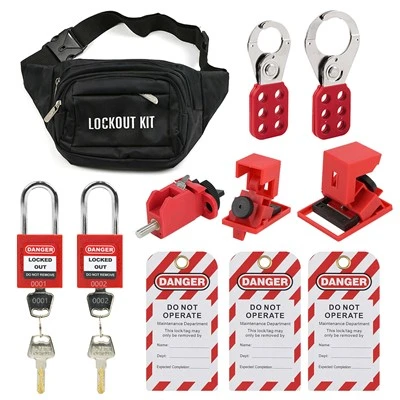
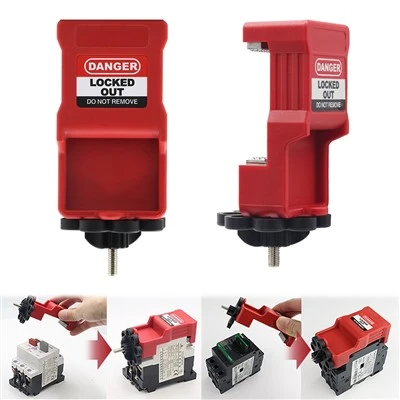
As a plant manager, you understand the critical importance of balancing the maintenance of a safe working environment with ensuring efficient production. Whilst achieving both objectives simultaneously can sometimes prove challenging, upgrading safety systems-particularly lockout/tagout (LOTO) procedures-is undoubtedly a prudent choice. These protocols effectively safeguard workers from hazardous energy sources during maintenance or repair operations, reducing accidents and ensuring the smooth continuation of production processes.
Properly implemented LOTO procedures not only safeguard personnel but also minimise costly downtime, legal liabilities, and reputational damage. For plant managers committed to upholding the highest safety standards while maintaining production efficiency, this measure is paramount.
A robust lockout/tagout system begins with a comprehensive assessment of equipment and potential energy sources. Every piece of plant equipment harbours unique hazards-be they electrical, mechanical, hydraulic, or thermal risks. Identifying these hazards and determining specific isolation points constitutes the first step in establishing a safe working environment. Once risks are clarified, developing clear, written procedures for each piece of equipment provides maintenance personnel with operational guidelines for safely isolating energy sources. These procedures should also cover contingencies, such as unexpected equipment failures, ensuring teams can respond to any unforeseen events.
Staff training forms another cornerstone of an effective LOTO system. A comprehensive training programme ensures personnel correctly follow LOTO procedures, thereby preventing accidents and injuries. Practical hands-on training builds confidence in correctly using lockout devices, while regular refresher courses embed safety awareness. Investing in high-quality lockout devices and standardised signage enables workers to readily identify and isolate hazardous energy sources, further enhancing safety safeguards.
Verification and testing of lockout/tagout systems should form a routine part of maintenance operations. Adopting the 'lock-out, tag-out, test-out' approach-whereby workers confirm energy has been successfully isolated before commencing repairs-prevents accidents caused by residual energy. Regular testing of the entire lockout/tagout system ensures its long-term reliable operation, further mitigating risks.
Regular inspections and compliance audits help identify deficiencies or areas for improvement within LOTO programmes. Continuous review ensures plant compliance with OSHA regulations and industry standards, avoiding substantial fines while enhancing overall safety. These audits provide peace of mind-safeguarding personnel while maintaining efficient production line operation.
Although safety investments may appear secondary to productivity gains, the consequences of inadequate lockout/tagout systems reveal a starkly different reality. Numerous cases demonstrate how workers have suffered grievous injury or loss of life due to deficient or improperly implemented lockout/tagout procedures, inflicting devastating economic losses and casualties upon the enterprises involved.
For instance, a manufacturing plant in Illinois suffered a fatality when a worker was crushed by machinery due to deficiencies in the company's lockout/tagout procedures. The enterprise incurred not only over $250,000 in fines from the Occupational Safety and Health Administration (OSHA), but also additional legal costs, workers' compensation payments, and reputational damage. Similarly, during routine maintenance at a meat processing plant, inadequate implementation of lockout procedures resulted in a worker losing an arm. OSHA fines, medical expenses, and long-term disability compensation totalled over $200,000, while the facility also suffered production losses and increased insurance premiums.
Another tragedy unfolded at a packaging plant where an employee was fatally injured when machinery unexpectedly restarted during maintenance. Lacking clear LOTO protocols, the facility faced not only OSHA penalties but also wrongful death litigation resulting in a multi-million dollar settlement. The plant was forced to suspend operations for weeks, incurring lost revenue and significant operational disruption.
These cases underscore the substantial economic repercussions of neglecting LOTO safety measures. Beyond OSHA penalties and legal settlements, businesses frequently confront escalating insurance costs, productivity declines due to shutdowns, and enduring reputational damage. The emotional trauma endured by employees who witness or are involved in accidents further dampens overall workplace morale, potentially triggering additional efficiency issues.
Ensuring employee safety will effectively minimise downtime, prevent accidents and maintain high production standards, thereby safeguarding the long-term development of your enterprise. Let us explore how to efficiently implement these safety upgrade solutions, enabling you to focus on the most critical task: operating a safe and efficient factory.
HiLink is your one-stop safety lockout tagout solution expert!