During production and construction work, emergencies are inevitable-especially when equipment fails without warning. Production comes to a standstill, efficiency plummets, and workers are left with nothing to do but wait. And what's the worst part? If safety protocols aren't in place, someone could suffer serious injuries or other accidents.
Have you taken the necessary steps to protect your construction team and avoid costly downtime? If "Lockout/Tagout" (LOTO) procedures are not yet part of your plan, now is the time to reevaluate your safety strategy.
What is Lockout/Tagout (LOTO)? Why is it so important?
Lockout/Tagout (LOTO) is a critical safety procedure in production and construction work. It involves preventing the release of hazardous energy from equipment before maintenance or repair work begins and ensuring that the equipment cannot be restarted during the work. This procedure involves isolating hazardous energy sources and rendering them inoperable. LOTO is essential for preventing accidental startup and protecting workers from potential hazards associated with hazardous energy.
The specific procedure is as follows:
1. Isolation - All hazardous energy sources must be isolated, and it must be confirmed that the equipment is "de-energized."
2. Lockout - Once the equipment's energy sources have been isolated, they must be locked to prevent the energy from being restored.
3. Tagout - Attach a warning tag to the lock, indicating the responsible worker and the reason for the lockout during equipment maintenance. It is also advisable to include the estimated completion time.
4. Test Start - The equipment must be attempted to be started to ensure that all energy sources have been isolated and that the lockout measures effectively prevent the equipment from restarting. This step also releases any stored energy that could pose a hazard.
The keys to the locks are kept by the workers to ensure that only they can remove the locks and restart the equipment after the work is completed. LOTO (Lockout/Tagout) is not just about following rules-it's about saving lives. Every year, hundreds of workers are injured due to equipment starting unexpectedly. A well-established LOTO procedure can eliminate this risk.
The Benefits of Lockout/Tagout
Protect Your Team
Safety is at the heart of LOTO (Lockout/Tagout). When a machine suddenly restarts, it doesn't care if anyone is nearby. LOTO nips accidents in the bud by ensuring that equipment remains de-energized until work is complete.
Ensure Compliance with OSHA Regulations
LOTO is not an option-it is a mandatory requirement. Failure to follow LOTO procedures is not only dangerous but also costly. OSHA fines can reach thousands of dollars per violation, which not only increases your liability risk but also makes your company a prime target for future inspections.
Prevent Equipment Downtime and Damage
If equipment unexpectedly starts during maintenance, you face not only safety risks but also potential thousands of dollars in equipment damage and extended repair times. LOTO ensures your equipment and production schedules remain unaffected.
HiLink's Lockout/Tagout Products Make Operations Easier
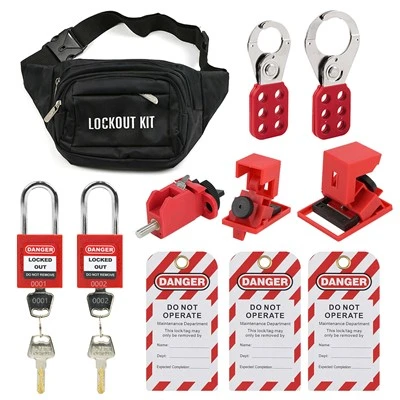
Choosing the right LOTO tools is critical. With over a decade of experience in LOTO manufacturing and solutions, HiLink offers everything your team needs to implement effective lockout-from padlocks and latches to adjustable cable locks and tags in a variety of materials.
Drawbacks of Lockout/Tagout (LOTO) (and How to Address Them)
Although LOTO offers numerous benefits, some workers remain resistant to it. Below are the main complaints and their solutions.
Time-consuming setup
LOTO requires training and preparation-but so do hospital visits and OSHA investigations.
Solution: Incorporate LOTO into daily safety meetings and invest in user-friendly LOTO equipment to streamline the process.
Prone to Being Forgotten or Skipped
If LOTO is not performed correctly, it is as good as not being implemented at all.
Solution: Establish clear, documented procedures and use high-visibility tags and locks. Assign clear responsibilities and ensure everyone strictly adheres to them.
Employees View It as a Hassle
Some teams are accustomed to cutting corners to save time, but this mindset can lead to serious injuries.
Solution: Show them real accident statistics and how OSHA fines can impact their paychecks. Make LOTO procedures simpler by using the right products and providing more training.
Common Lockout/Tagout (LOTO) Violations
Still not convinced? Here are the most common LOTO violations, which can lead to penalties from the Occupational Safety and Health Administration (OSHA), personal injuries, and equipment downtime:
1. Lack of a formal LOTO program or training
2. Failure to properly isolate hazardous energy
3. Improper use of locks and tags
4. Failure to conduct regular LOTO inspections and audits
These errors can result in injuries, fines, and project delays, so establishing a well-documented and strictly enforced LOTO system is critical. Don't wait until you face penalties-or worse, a workplace injury-to take action. A robust LOTO program safeguards your team and ensures the smooth operation of your construction site.
Lockout/Tagout FAQ
What is the difference between "lockout" and "tagout"?
"Lockout" physically prevents equipment from being started by locking the energy isolation device.
Tagout is a visual warning system used to alert workers not to use the equipment, but it does not physically prevent the equipment from operating.
To ensure maximum safety, both methods should be used in combination.
Must LOTO be implemented at all work sites?
Yes, if there is a risk of hazardous energy release during maintenance, the Occupational Safety and Health Administration (OSHA) requires compliance with LOTO regulations. This applies to construction, manufacturing, and industrial sites.
Which LOTO products are best suited for my team?
Equipping your team with the right LOTO tools makes compliance quick and foolproof. Here are our recommendations-and how to choose the best products based on your work environment, your team's operating procedures, and the types of equipment that need to be locked out:
1. Safety padlocks-for locking out individual pieces of equipment. HiLink offers a variety of models, all of which are rugged and reliable, designed specifically for construction site environments:
2. Aluminum Safety Padlocks (Multiclolor): Featuring a corrosion-resistant aluminum housing, these are lightweight and extremely durable. Ideal for harsh, outdoor, or chemical-intensive environments. The key-locking feature prevents the key from being removed while the lock is open.
3. Nylon Safety Padlocks: Featuring a non-conductive nylon body and a steel shackle. These padlocks are lighter and suitable for indoor use, particularly for electrical work. For enhanced security, they feature a unique key design with etched keys and standard markings.
4. How to choose?
If your team works outdoors or in chemical-intensive environments and requires a durable product, choose the aluminum padlock. If you need a non-conductive, lightweight solution for routine or electrical work, choose the nylon padlock.
Steel Lockout Padlocks-Ideal for group lockout scenarios where multiple workers need to lock out the same energy source.
1-inch Bore Lockout Padlocks
1.5-inch Bore Lockout Padlocks
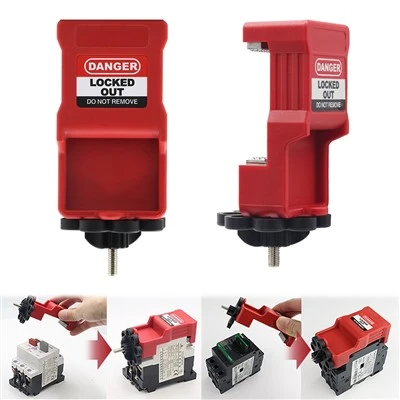
Cable Lockout Devices - Flexible and adjustable, ideal for irregularly shaped or hard-to-reach energy sources such as valves and panel switches.
Group Lockout Box - Safely stores multiple padlocks and keys during group LOTO operations. Ideal for large-scale operations or interlocking systems.
Lockout Kit - A complete, full-featured solution designed to securely lock out forklifts during inspection, maintenance, or repair.
High-Visibility Warning: Do Not Operate Tags - OSHA-compliant tags that clearly indicate the equipment is off-limits. Reinforced and designed to withstand the wear and tear of construction sites.
How can I ensure my team follows the LOTO procedures correctly?
1. Conduct regular training to reinforce proper LOTO procedures.
2. Use standardized LOTO equipment to ensure every employee follows a consistent system.
3. Conduct regular compliance audits to identify shortcomings and improve operational procedures.
HiLink is your one-stop safety lockout tagout solution expert!