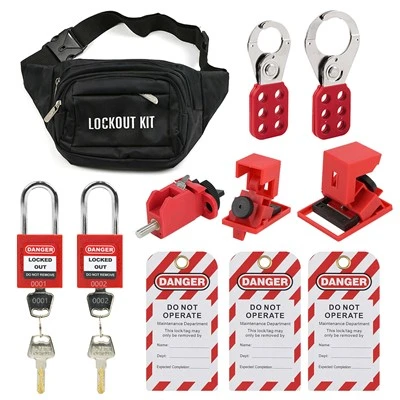
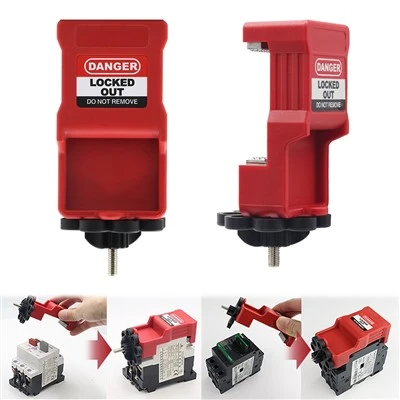
In the electrical contracting sector, safety is not merely a top priority but an absolute imperative. Among numerous safety measures, the lockout/tagout (LOTO) procedure stands out as the cornerstone for protecting workers from hazards posed by energised equipment.
What is Lockout Tagout?
Lockout Tagout (LOTO) is a safety procedure designed to protect personnel from injury due to unexpected start-up or hazardous energy release during equipment inspection or maintenance. The procedure comprises two key steps:
1. Locking out energy sources by applying physical locks to energy isolation devices.
2. Affixing a tag to the lock indicating the person who locked out the equipment and the reason for doing so.
This ensures the equipment remains in a de-energised and safe state until all maintenance work is completed.
The Purpose of LOTO in Commercial Electrical Operations
Electricity is an invisible hazard demanding reverence and vigilance. Within commercial settings, relevant systems and equipment frequently involve high-voltage and complex circuits. LOTO is critical for the following reasons:
1. Preventing accidental energisation. Should equipment be inadvertently activated during maintenance, personnel face risks of severe injury or even fatality. LOTO prevents such incidents by physically locking energy sources in the off state.
2. Mitigating human error. Even the most experienced professionals can make mistakes. LOTO serves as a fail-safe mechanism, reducing the risk of accidents caused by miscommunication or oversight.
3. Ensuring compliance with OSHA standards. The Occupational Safety and Health Administration (OSHA) mandates LOTO procedures under 29 CFR 1910.147. Adherence to these regulations not only safeguards workers but also protects businesses from potential fines and legal consequences.
Key Steps for Implementing Lockout/Tagout
1. Prepare for shutdown. Identify all energy sources and understand their potential hazards.
2. Notify all affected personnel. Inform nearby individuals of the lockout/tagout procedure to prevent unauthorised access.
3. Isolate energy sources. Shut off all energy sources and apply locks to equipment.
4. Discharge stored energy. Thoroughly dissipate any residual energy within the system.
5. Verify isolation status. Test the system prior to work commencement to ensure complete de-energisation.
6. Conduct work safely. Proceed with maintenance or repairs only after confirming the system is secure.
7. Remove locks and tags. Locks and warning labels may only be removed once all work is complete and the area has been cleared.
Why Lockout/Tagout is Critical in Commercial Electrical Engineering
Lockout/Tagout is not merely a set of procedures, but a safety culture – safeguarding workers, protecting equipment integrity, and strengthening team trust. Commercial electrical systems often operate in high-risk environments where any oversight can lead to catastrophic consequences. By ensuring systematic safety measures, lockout/tagout effectively mitigates these risks.
When effectively implemented, LOTO (Lockout/Tagout) measures can:
• Prevent personal injury and fatal accidents
• Minimise equipment downtime by promoting safe and efficient maintenance practices
• Establish a reputation for reliability and professionalism within the industry
Lockout/Tagout Procedures in Multi-Contractor Environments
The importance of lockout/tagout procedures becomes increasingly critical when multiple contractors collaborate on the same project. In such scenarios, coordination and communication are paramount to ensuring safety. Without a clear, unified lockout/tagout process, one contractor's operations may inadvertently activate equipment being maintained by another team, potentially causing serious accidents or damage. Implementing a comprehensive LOTO programme encompassing all contractors establishes a shared safety framework. This involves appointing a Lead Coordinator to oversee LOTO procedures, ensuring all parties clearly identify lockout points, and establishing transparent communication channels. In high-risk commercial electrical projects characterised by tight schedules and complex systems, this collaborative approach is vital for safeguarding the safety of all personnel on site.
HiLink: Your One-Stop Safety Lockout Tagout Solution Expert!
We firmly believe that safety management must lead by example. Strict adherence to Lockout/Tagout (LOTO) procedures demonstrates our steadfast commitment to safeguarding our teams and delivering outstanding outcomes for our clients. Investing in rigorous safety protocols like LOTO is not merely about meeting regulatory requirements; it is about valuing every colleague who contributes to our success.