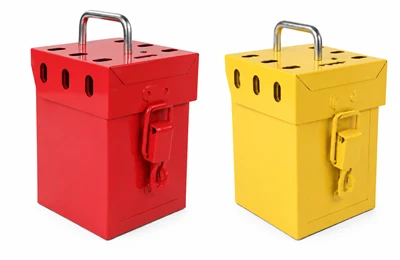
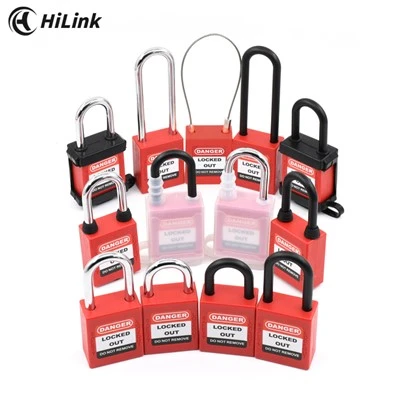
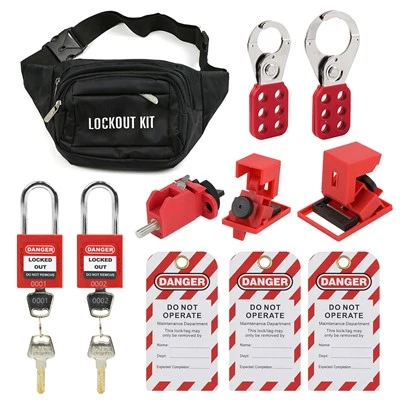
A lockout device can look perfectly fine when you see it in a product catalog. The problem is that a product that looks good in a picture does not always perform well in the field.
After years of working with LOTO products, we have found that many problems come from small details that are easy to overlook when choosing a lockout device.
The Biggest Problem: It Fits, But Not Quite Right
One of the most common issues is compatibility.
A circuit breaker lockout may work perfectly on one breaker but not fit another model. Sometimes the breaker handle is slightly different. Sometimes there is not enough space around the breaker. In other cases, the locking point is simply not positioned in a way that allows the device to be installed securely.
This is why "universal" does not always mean universal in real-world applications.
Before purchasing circuit breaker lockouts, it is better to check the actual breaker models being used at the facility. A few product samples can often save a lot of trouble later, especially when purchasing in large quantities.
Material Makes a Difference
Two lockout devices can look almost identical but perform very differently after months of use.
LOTO products are often exposed to impact, oil, dust, moisture, chemicals and temperature changes. They may also be installed and removed many times every week.
For plastic lockout devices, the type and quality of the material affect strength, flexibility and electrical insulation. For metal products such as lockout hasps, the steel quality, thickness and surface treatment can affect durability and corrosion resistance.
This is one reason we don't recommend choosing LOTO products based on appearance or price alone.
A Lockout Device Should Be Easy to Use
There is another issue that is sometimes ignored: usability.
A device may technically work, but if workers need to fight with it every time they install it, it is not a particularly good solution.
Good lockout devices should be quick to install, easy to identify and secure once installed.
This becomes even more important for personal maintenance kits. A maintenance worker usually does not want to carry a large bag full of devices that are rarely used. A compact kit with the right padlocks, hasps, tags and common lockout devices can be much more practical.
Don't Confuse a Tag With an Actual Lockout
A lockout tag provides important information, but a tag itself does not physically prevent equipment from being operated.
This sounds obvious, but it is still worth mentioning because we sometimes see customers looking for "lockout tags" when what they actually need is a complete isolation solution.
The basic question should always be:
What physically prevents the energy-isolating device from being turned back on?
Depending on the application, this may be a circuit breaker lockout, valve lockout, plug lockout, hasp or another suitable device.
The tag then communicates who applied the lockout, why it was applied and other necessary information.
The Right Device Depends on the Application
There is no single LOTO device that works perfectly everywhere.
An electrical maintenance team may need several types of circuit breaker lockouts. A production facility may require valve lockouts and group lockout equipment. A contractor working at different sites may prefer a lightweight portable LOTO kit.
The best product is not necessarily the one with the most functions.
It is the one that fits the equipment, works reliably in the environment and is practical for the people who actually use it.
For this reason, we normally recommend checking the application first and choosing the products afterward.
What Should You Check Before Buying?
If you are purchasing LOTO products for a factory or distribution business, a few simple checks can prevent most problems:
Check the equipment.
Know the actual breaker, valve, plug or isolation device models.
Check the dimensions.
Small differences in handle size, clearance and locking-hole dimensions can make a big difference.
Check the material.
Consider whether the products will be exposed to impact, moisture, chemicals or outdoor conditions.
Check the padlock compatibility.
The shackle diameter and locking-hole size of hasps and lockout devices need to work together.
Test samples before a large order.
This is especially important for distributors and OEM customers. A small sample test is much cheaper than discovering a compatibility problem after production.
A Good LOTO Product Is More Than a Product Specification
LOTO equipment is relatively simple. But that does not mean every lockout device is equally reliable.
In our experience, the difference is often in the details - how securely the device fits, what material is used, how easily workers can operate it, and whether it actually suits the equipment on site.
That is why choosing a LOTO manufacturer should not be only about comparing unit prices.
A reliable manufacturer should understand the application behind the product and be able to help customers find a practical solution, whether they need a single lockout device, a personal LOTO kit, or a complete lockout/tagout program.
At HiLink, this is the approach we have taken when developing LOTO products for customers in different markets: start with the application, then choose the right product.