The Overlooked Human Factors Behind Energy Isolation Incidents
Introduction
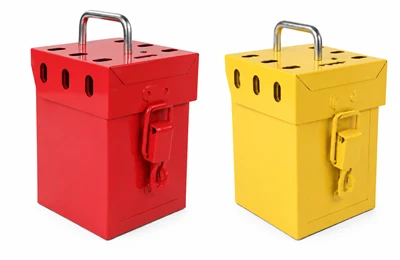
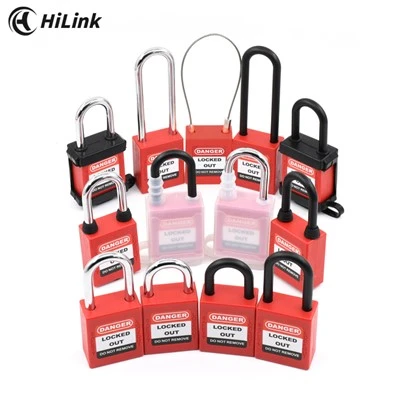
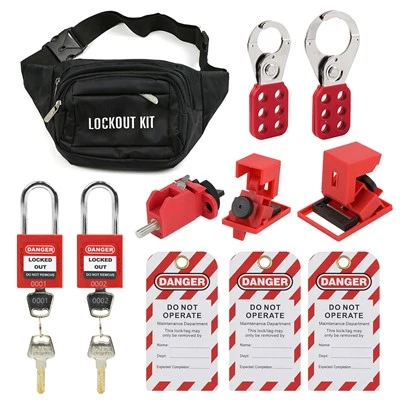
Discussions regarding 'lockout/tagout' tend to focus largely on the equipment itself. To comply with safety requirements, organisations invest in padlocks, locking latches, valve locks, circuit breaker locks and complete lockout kits.
However, accident investigations often reveal a surprising fact: even when the correct locking devices are in place and properly installed, many energy isolation failures still occur.
The problem does not always lie with the equipment itself. In many cases, errors stem from shortcomings in communication, verification and the execution of procedures.
Understanding these underlying factors can help facilities strengthen their lockout/tagout programmes and improve staff safety.
Device Compliance Does Not Guarantee Safe Isolation
Many organisations believe that simply purchasing lockout devices that comply with US Occupational Safety and Health Administration (OSHA) standards is sufficient to implement a safe lockout procedure.
In reality, standard-compliant hardware is only one part of the overall process.
Even if the lockout devices are installed correctly, they may still fail to effectively prevent accidents if employees:
· Locking the wrong isolation point
· Skipping the verification procedure
· Incorrectly identifying the energy source
· Removing the lockout device prematurely
In such cases, although the lockout device has functioned as intended, the entire procedure has consequently failed.
Energy Source Identification Remains a Common Challenge
Modern industrial equipment typically utilises multiple energy sources operating simultaneously.
A single piece of equipment may involve:
· Electrical energy
· Pneumatic pressure
· Hydraulic pressure
· Stored mechanical energy
· Thermal energy
Maintenance teams often focus solely on the primary energy sources, whilst overlooking the risks posed by secondary energy sources.
This issue is particularly common during equipment retrofits, fault diagnosis and emergency repairs.
Facilities that carry out regular energy source mapping are often able to identify isolation points that were not included in the original lockout procedures.
Verification Is Frequently Treated as a Formality
Of all the steps involved in the lockout process, the verification stage is arguably the most important.
However, it is also the stage that is most often rushed through.
After installing lockout devices, staff may assume the equipment is safe without carrying out a full verification.
The best-performing facilities treat verification as a standalone task rather than a mere 'ticking-off' procedure.
They require staff to confirm the following before commencing maintenance:
· Electrical power has been completely disconnected
· Pressure has been relieved
· The equipment has been secured
· It is in a safe operating condition
Temporary Workers and Contractors Introduce Additional Risk
Many facilities rely on contractors during shutdowns, equipment upgrades and maintenance projects.
Although contractors may possess sound technical skills, they may not be fully familiar with site-specific lockout/tagout procedures.
Differences in terminology, documentation systems and communication methods can lead to confusion.
Organisations that involve contractors in pre-work lockout/tagout reviews generally experience fewer procedural deviations.
Continuous Improvement Matters More Than Additional Hardware
When an incident occurs, organisations typically respond by procuring additional locking devices.
Whilst adding equipment may be helpful, it does not address the root cause if the deficiencies in operational procedures remain unresolved.
The most effective lockout programme should focus on:
· Regular reviews of operational procedures
· Retraining of staff
· Energy source audits
· Contractor management
· Verification discipline
These measures strengthen the entire energy control process, rather than merely increasing the number of devices.
Conclusion
Lockout devices remain a vital component of workplace safety, but successful energy isolation depends on more than just the hardware itself.
Organisations that combine high-quality lockout equipment with robust operating procedures, clear communication and consistent verification practices are more likely to prevent accidents and maintain long-term compliance.
The most effective lockout programme is not necessarily the one with the most devices, but the one that ensures these devices are used correctly and consistently.
HiLink is your one-stop safety lockout tagout solution expert!