

Yo, fellow padlock enthusiasts! As a supplier of top - notch brass padlocks, I get asked a ton of questions. One that pops up more often than not is, "Do brass padlocks rust?" Well, let's dig deep into this topic and clear up any confusion.
First off, let's talk a bit about brass. Brass is an alloy made mainly of copper and zinc. Unlike some other metals, it has some pretty cool properties that give it an edge when it comes to corrosion resistance. The copper in brass forms a protective layer on the surface when it reacts with oxygen in the air. This layer, called a patina, acts as a shield, preventing further oxidation and corrosion.
But here's the deal. Just because brass has this natural defense mechanism doesn't mean it's completely immune to rust. Rust is technically the oxidation of iron, and since brass doesn't contain iron, it doesn't "rust" in the traditional sense. However, it can corrode, and sometimes this corrosion can look a bit like rust to the untrained eye.
There are a few factors that can cause brass padlocks to corrode. One of the biggest culprits is moisture. If your padlock is constantly exposed to water, like in a humid environment or if it gets rained on a lot, the protective patina can break down over time. When this happens, the underlying brass is more vulnerable to chemical reactions with the water and other substances in the air.
Another factor is exposure to certain chemicals. Things like salt, acids, and even some cleaning agents can speed up the corrosion process. For example, if you're using your padlock near the ocean, the salt in the air can be really tough on the brass. The salt can react with the brass and cause pitting and discoloration.
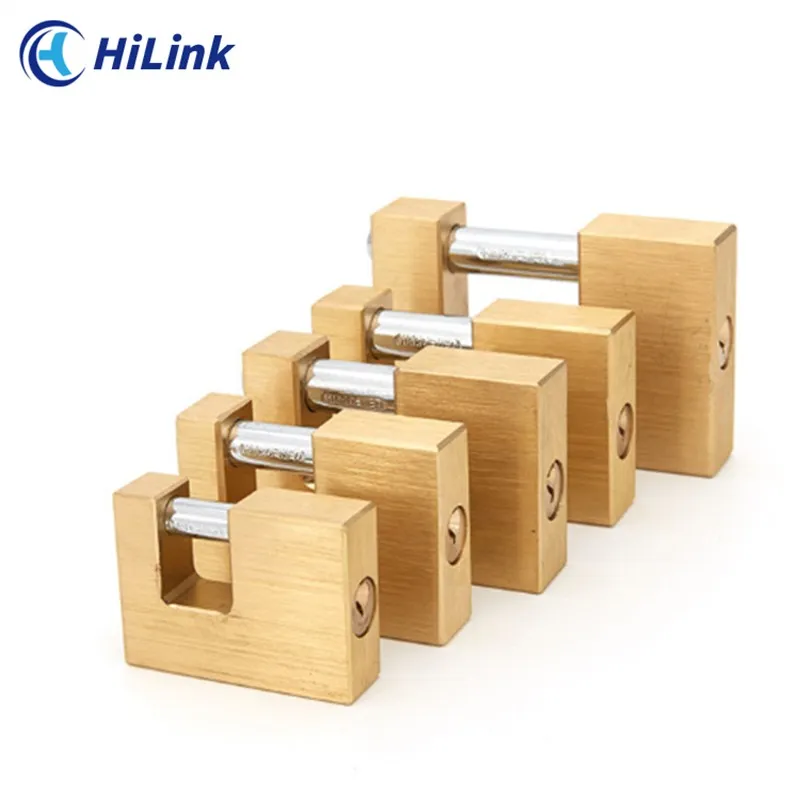
Now, let's take a look at some of the brass padlocks we offer. We've got the Steel Shackle Brass Padlock. This bad boy is built tough. The steel shackle adds an extra layer of strength, while the brass body gives it that corrosion - resistant quality. It's great for both indoor and outdoor use, but you still gotta be careful with it in harsh conditions.
Then there's the Rectangular Brass Copper Lock. This lock has a unique rectangular shape, which makes it stand out. The combination of brass and copper not only looks good but also enhances its durability. However, just like any other brass padlock, it needs to be protected from the elements.
And of course, we have the Safety Brass Padlock. This one is designed with safety in mind. It's got a solid brass construction that can withstand a fair amount of wear and tear. But remember, no matter how good the design, proper care is essential to keep it in tip - top shape.
So, what can you do to prevent your brass padlocks from corroding? Well, the first thing is to keep them dry. If you're using them outdoors, try to find a sheltered spot for them. You can also use a waterproof cover if possible.

Regular cleaning is also important. Use a mild soap and water solution to clean your padlock every once in a while. Avoid using harsh chemicals or abrasive materials, as these can damage the protective patina.
If you notice any signs of corrosion, like discoloration or pitting, don't panic. You can try using a brass cleaner to remove the corrosion. Just follow the instructions on the cleaner carefully.
In conclusion, while brass padlocks don't rust in the traditional sense, they can corrode under certain conditions. But with proper care and maintenance, you can keep your brass padlocks looking and working great for a long time.
If you're in the market for high - quality brass padlocks, we've got you covered. Whether you need them for personal use, business, or industrial applications, our range of brass padlocks is sure to meet your needs. Don't hesitate to reach out if you have any questions or want to discuss your specific requirements. We're here to help you find the perfect padlock for your situation.
References
- Metallurgy textbooks on alloy properties and corrosion
- Industry reports on padlock durability and maintenance


