"It's just a minor electric shock, isn't it?"
A technician once remarked to me:
"Just a slight jolt-nothing to worry about."
This mindset is profoundly dangerous. Electrical incidents that appear minor can lead to severe injury, equipment damage, or even death. With proper safety measures, most workplace electrical accidents are entirely preventable.
Why Electrical Safety Matters
Electrical hazards in the workplace can result in:
Severe burns, cardiac arrest, or death
Equipment and property damage
Costly downtime and operational disruption
Regulatory penalties and reputational damage.
Risks of Electrical Safety Negligence
Ignoring safety protocols increases the likelihood of major incidents:
Circuit overloads and wiring faults may trigger fires.
Damaged insulation or exposed cables pose electrocution risks.
Lack of maintenance causes sudden equipment failure.
Inadequate earthing heightens arc flash hazards.
Four-Step Approach to Creating Safer Workplaces
1. Risk Assessment and Prevention
Conduct regular inspections of electrical systems to identify potential hazards early and ensure compliance with safety standards.
2. Training and Awareness Enhancement
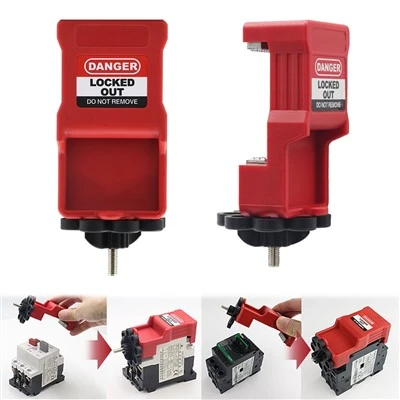
Train staff to recognise electrical hazards, use insulated tools, and adhere to lockout/tagout (LOTO) procedures.
3. Emergency Preparedness
Ensure personnel are proficient in emergency response protocols, including power disconnection and administering CPR when necessary.
4. Equipment Maintenance
Schedule regular inspections and servicing of wiring, distribution boards, and safety devices to prevent unexpected failures.
Human Factors
Electrical safety concerns not only the equipment itself but also safety awareness and corporate culture. Accidents can be prevented when employees remain vigilant and promptly report unsafe conditions.
Practical Steps You Can Take Today
Inspect and mark damaged cables or tools.
Ensure distribution boxes are unobstructed and easily accessible.
Schedule refresher safety training courses
Review lockout/tagout (LOTO) procedures with your team
Conclusion - Minor Electrocution, Serious Consequences
Electrical safety is a shared responsibility. Only through a combination of preventative measures, emergency preparedness, and ongoing training can workplaces safeguard their most valuable asset - their employees.
References (Harvard Style)
OSHA (2021) Electrical Safety in the Workplace. Occupational Safety and Health Administration, USA.
NFPA (2020) Workplace Electrical Safety Standards. National Fire Protection Association.
Kumar, R. & Patel, D. (2019) Electrical hazards and risk management in industrial environments. Safety Science, 118, pp. 560–567.
HiLink is your one-stop safety lockout tagout solution expert!