Introduction: The Importance of Electrical Safety
Electrical work inherently carries risks; without appropriate protective measures, it may lead to serious injury, fire, or even fatal accidents. Whether you are an experienced electrician, an apprentice, or someone undertaking minor electrical tasks, understanding and adhering to safety guidelines is paramount.
HiLink will share key electrical safety points to help you and your team work safely and efficiently. Prioritising safety not only protects individuals but also ensures compliant operations, enhances productivity, and fosters a culture of accountability.
1. Power Off and On
Before undertaking any electrical work:
Switch off the main power supply.
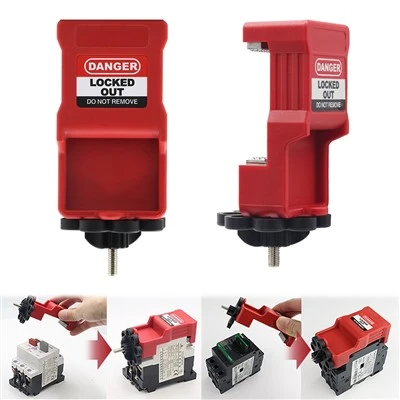
Employ a lockout/tagout (LOTO) system to prevent accidental re-energisation.
Verify the power supply is genuinely disconnected using a voltage tester.
Important Note: Even low-voltage systems may cause severe electric shock or burns. Never assume circuits are de-energised-always test before touching.
2. Lockout/Tagout (LOTO) Procedure: Preventing Accidental Energisation
One of the most critical safety measures in electrical work is Lockout/Tagout (LOTO). This procedure ensures electrical equipment is completely de-energised prior to maintenance or repair.
LOTO Procedure:
Notify affected personnel - Inform all staff of impending maintenance work.
Shut down equipment - Disconnect machinery or electrical circuits from power sources.
Isolate energy sources - Sever connections to power supplies.
Lockout and tagout - Apply locks and warning signs to prevent accidental energisation.
Discharge stored energy - Deplete residual energy (e.g., capacitors, hydraulic systems).
Verify isolation - Confirm absence of current using voltage testers.
Safely perform maintenance - Only authorised personnel may work on de-energised equipment.
Remove LOTO devices - Remove locks/tags following prescribed procedures upon task completion.
Unauthorised removal of locks or tags installed by others is strictly prohibited!
3. Prioritise Personal Protective Equipment (PPE)
Before undertaking any electrical work, ensure appropriate Personal Protective Equipment (PPE) is worn:
Insulated gloves - prevent electric shock.
Face shields and safety goggles - protect against sparks and flying debris.
Flame-retardant clothing - reduce the risk of burns.
Rubber-soled boots - provide insulation protection.
Always inspect PPE for integrity before use.
4. Inspect tools and equipment before use
Using damaged or faulty equipment increases the risk of electric shock. Check for the following:
- Worn or exposed cables
- Cracked insulation
- Loose connections
- Malfunctioning switches
When working near live circuits, use insulated tools to minimise risk.
5. Avoid working in damp conditions
Never touch electrical equipment with wet hands.
Use a residual current device (RCD) to prevent electric shock.
When working outdoors, ensure power tools are suitable for damp conditions.
Water and electricity do not mix – work in dry conditions whenever possible.
6. Emergency Preparedness
Even with the most thorough preventative measures in place, unforeseen incidents may still occur. Being prepared helps minimise risks and ensures a swift and effective response.
Key Emergency Preparedness Points:
Know the emergency evacuation routes: Ensure all staff are familiar with exit locations.
Fire and electrical shock response: Train staff in the use of fire extinguishers and administering first aid.
Emergency contact information: Display emergency service telephone numbers prominently.
First aid kit provision: Maintain fully stocked and readily accessible first aid kits on site.
Emergency power cut-off switch: Ensure all staff know its location and method of operation.
Regular emergency drills can significantly reduce response times and prevent personal injury.
HiLink is your one-stop safety lockout tagout solution expert!