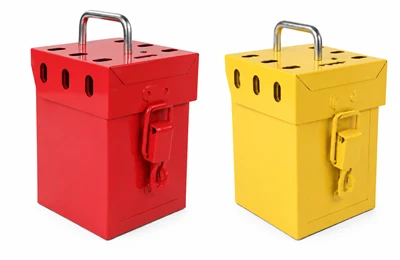
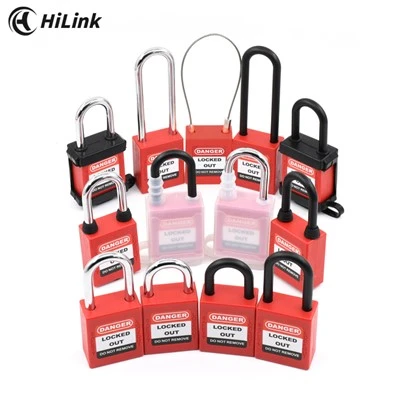
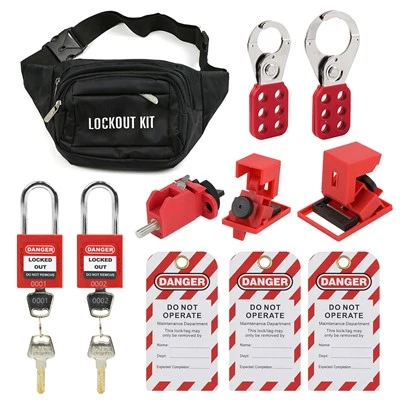
Lockout station is a dedicated place for storing and organizing lockout/tagout (LOTO) devices used during equipment maintenance and servicing.
Instead of keeping safety padlocks, tags, hasps, and other lockout devices in different drawers or toolboxes, a lockout station keeps them together in one clearly identified location.
For maintenance teams, this simple arrangement can make a big difference. When hazardous energy needs to be isolated, workers can quickly find the equipment they need and begin the lockout procedure without unnecessary delays.
What Is a Lockout Station?
A lockout station, also called a LOTO station or lockout/tagout station, is usually a wall-mounted board, cabinet, or storage panel designed for LOTO equipment.
Depending on the workplace, a station may contain:
·Safety padlocks
·Lockout hasps
·Circuit breaker lockouts
·Valve lockouts
·Electrical plug lockouts
·Lockout tags
·Cable ties
·Marking pens
There is no single configuration that works for every facility. The contents should be based on the types of machinery and hazardous energy sources found at the workplace.
For example, a facility with many electrical panels may need more circuit breaker lockouts, while a plant using hydraulic or pneumatic equipment may require more valve and pneumatic lockout devices.
Why Is a Lockout Station Important?
A LOTO procedure may be well written, but it still depends on workers having access to the correct equipment.
Imagine a technician needs to service a machine but has to search through several cabinets to find a suitable safety lock, hasp, and breaker lockout.
The problem is not necessarily the LOTO procedure.
The problem is accessibility.
A properly organized lockout station puts commonly used devices in a predictable location. This makes the lockout process more convenient and reduces the chance of workers searching for, borrowing, or using unsuitable devices.
OSHA's hazardous energy standard, 29 CFR 1910.147, requires employers covered by the standard to establish an energy control program that includes procedures, employee training, and periodic inspections. OSHA does not specifically require every workplace to install a physical lockout station.
The station should therefore be viewed as a practical part of a LOTO system rather than a substitute for the system itself.
What Should Be Kept in a Lockout Station?
The contents depend on the facility, but several items are commonly used.
Safety Padlocks
Safety padlocks are used to secure energy-isolating devices during maintenance.
They are often individually assigned to authorized employees so that workers can identify their own locks.
Lockout Hasps
Hasps allow multiple workers to apply their individual locks to the same isolation point.
They are particularly useful during group maintenance operations.
Circuit Breaker Lockouts
Different electrical breakers may require different lockout devices. A station should therefore include devices that are compatible with the breakers actually used at the facility.
Valve and Pneumatic Lockouts
Facilities with hydraulic, pneumatic, steam, water, or other fluid systems may require specialized valve lockouts.
Tags
Lockout tags provide warning and identification information and are normally used together with the appropriate lockout devices.
The goal is not to fill the station with every LOTO product available.
The goal is to keep the right devices available for the equipment workers actually service.
Lockout Station vs. Lockout Kit
These terms are sometimes used interchangeably, but they serve different purposes.
A lockout kit is generally portable. It allows a technician to carry a selection of LOTO devices directly to the machine.
A lockout station is normally a centralized storage point for a department, production area, or facility.
In simple terms:
Lockout kit = portable LOTO equipment
Lockout station = centralized LOTO storage
Many workplaces use both. A technician may take devices from the station and carry them to the equipment using a personal lockout kit or toolbox.
Where Should a Lockout Station Be Located?
Location matters more than many people realize.
A station should be visible, accessible, and reasonably close to the areas where lockout/tagout activities take place.
Common locations include:
·Maintenance workshops
·Production areas
·Electrical rooms
·Mechanical rooms
·Equipment service areas
For a large manufacturing facility, one station may not be enough. Several smaller stations located near different production areas can be more practical.
The basic principle is simple:
Workers should be able to access the required LOTO devices without unnecessary travel.
How to Keep a Lockout Station Organized
A good station should make it obvious where each device belongs.
For example:
Padlocks → Hasps → Electrical Lockouts → Valve Lockouts → Tags
Clear organization makes missing equipment easier to identify and helps workers find the correct device quickly.
The station should also be checked regularly for damaged or missing equipment.
If certain devices are constantly missing while others are never used, the station may need to be reorganized or its inventory adjusted.
Is a Lockout Station Required by OSHA?
Not specifically.
OSHA 29 CFR 1910.147 focuses on the control of hazardous energy through proper procedures, training, inspections, and the use of appropriate lockout or tagout devices. It does not prescribe a specific type of storage station.
However, a well-designed lockout station can make an existing LOTO program easier to manage.
It provides a visible and consistent location for the equipment workers need to perform lockout procedures correctly.
Final Thoughts
A lockout station is more than a board for hanging safety locks.
When properly planned, it connects the company's LOTO procedures, equipment, and workers in one practical system.
The best station is not necessarily the largest one or the one containing the most products.
It is the one that provides the right lockout devices, in the right place, when workers need them.
For facilities looking to improve their lockout/tagout program, reviewing the location, contents, and organization of the lockout station can be a simple but useful place to start.
HiLink is your one-stop safety lockout tagout solution expert!