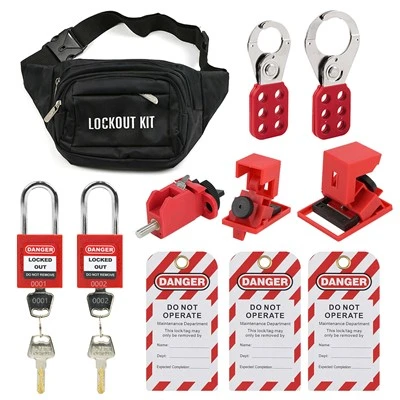
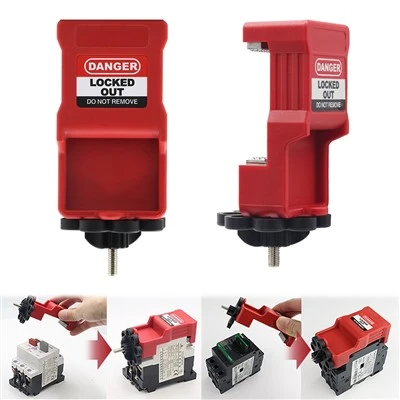
Lockout Tagout (LOTO) is a critical safety method used across industrial environments to ensure that equipment is properly shut off and cannot be started up again until maintenance or servicing is complete. Many machines contain hazardous energy-such as electrical, mechanical, hydraulic, pneumatic, chemical, or thermal-that can cause severe harm if accidentally released. According to OSHA, the unintended activation of equipment or discharge of stored energy can lead to serious injuries or fatalities. LOTO procedures involve isolating energy sources and applying physical locks and warning tags, providing a secure environment for workers to carry out maintenance tasks safely and without the threat of unexpected movement, electric shock, burns, or other dangers.
Why Lockout Tagout (LOTO) Is Essential: Protecting Lives & Meeting Regulations
Implementing Lockout Tagout procedures is a vital step in safeguarding workers during equipment maintenance. When hazardous energy sources-such as electricity, steam, hydraulics, or pressurized air-aren't properly controlled, the consequences can be severe. These include electric shocks, severe burns, crushing injuries, limb amputations, or even death. According to OSHA, robust LOTO systems prevent approximately 120 deaths and 50,000 injuries in the workplace every year.
LOTO works by ensuring machines are completely shut down and cannot be restarted while someone is servicing them. For instance, it prevents an automated machine from reactivating unexpectedly or stops a technician from being electrocuted by an energized circuit.
Beyond being a life-saving practice, LOTO is also a legal requirement. OSHA's regulation 29 CFR 1910.147 mandates that employers must develop and enforce procedures to isolate energy sources before maintenance tasks begin. International safety organizations reinforce this by requiring mechanical or electrical systems to be physically locked and clearly labeled before work starts-making LOTO a globally recognized safety standard.
Key Benefits of LOTO:
Blocks unintentional activation: By securing power switches and valves, equipment remains safely in the off position.
Warns and informs: Tags serve as visible alerts, indicating that the equipment is under maintenance and should not be used.
Improves safety and efficiency: Proper LOTO reduces workplace incidents and helps minimize operational downtime and insurance liabilities.
Meets regulatory demands: Both U.S. and global safety laws mandate energy control protocols, making LOTO a compliance necessity.
Essential Steps in the Lockout Tagout (LOTO) Process
An effective Lockout Tagout program relies on a series of structured actions to eliminate hazardous energy risks before any servicing begins. Each phase is essential to ensure energy sources are properly recognized, disconnected, and controlled.
1. Planning and Assessment
The first step is to clearly identify the equipment and all potential sources of energy it contains or uses. This includes electric, mechanical, pneumatic, thermal, chemical, or hydraulic power. A trained and authorized worker examines system diagrams, user manuals, and previous maintenance records to understand all possible dangers. Thorough planning reduces the risk of overlooking hidden energy sources.
2. Equipment Shutdown
Next, power down the machine following its standard shutdown procedure. Notify any personnel who work on or around the equipment-known as "affected employees"-that maintenance is taking place. This communication step helps avoid any unintentional attempts to operate the machine while it's out of service.
3. Energy Isolation
At this stage, all power sources must be physically separated from the machine. This might involve switching off breakers, shutting valves, disconnecting plugs, or other actions that stop energy flow. Isolation devices are engaged to prevent energy from re-entering the system, effectively cutting off the machine from any active power.
4. Applying Locks and Tags
Now the physical security measures are put in place. Lockout devices-such as safety padlocks or lockout hasps-are attached to the isolating mechanisms, preventing them from being reactivated. In addition, a warning tag is added to each device, clearly stating that the equipment is under maintenance, who applied the lock, and why. According to OSHA standards, only the person who applied the lock is allowed to remove it, ensuring accountability and safety.
5. Eliminating Residual Energy
Some systems can retain stored energy even after isolation. Examples include compressed springs, hydraulic accumulators, or charged capacitors. These residual forces must be released or neutralized. This may require draining fluids, venting air pressure, discharging electrical storage, or restraining components to ensure no unexpected movement or energy release can occur.
6. Verification
Before work begins, it is vital to double-check that the system has truly been de-energized. An authorized individual will attempt to power on the machine using normal controls (such as pressing a start button) to verify that no functions are operational. Only once the equipment fails to activate can it be confirmed safe for servicing.
7. Maintenance and System Restoration
After the repair or maintenance is completed, all tools and personnel must be cleared from the work area. Then, and only then, the same authorized employee who installed each lock is responsible for removing it. Once locks and tags are taken off, energy can be safely restored and the equipment brought back into operation.
Each of these steps plays a vital role in maintaining worker safety. Skipping or neglecting even one can lead to dangerous incidents. That's why OSHA's regulations clearly require that all energy sources be fully neutralized and kept inactive before any servicing begins. Lockout Tagout isn't optional-it's a safety necessity.
Lockout vs. Tagout: What's the Difference?
Although "lockout" and "tagout" are often used together, they serve different purposes in energy control procedures.
Lockout involves physically securing an energy-isolating device-such as placing a padlock on a breaker or valve-so it cannot be turned on accidentally or deliberately. This creates a direct mechanical barrier that blocks re-energization.
Tagout, on the other hand, involves attaching a clearly visible warning label to the isolated device. These tags typically include messages like "Do Not Operate," the reason for the isolation (such as ongoing maintenance), and the name of the responsible worker. However, tags alone do not prevent the equipment from being restarted-they serve only as a cautionary notice.
According to OSHA, tagout procedures are only acceptable when physical lockout is not possible. In such cases, employers must implement additional safety steps to offer equivalent protection. In real-world applications, the most effective approach is to combine both methods: use a lock to prevent reactivation, and a tag to communicate vital safety information.
Regulations & Compliance: Why LOTO Is a Legal Obligation
Lockout Tagout practices are more than just safety recommendations-they are legal requirements. In the United States, the Occupational Safety and Health Administration (OSHA) enforces regulation 29 CFR 1910.147, which obliges employers to develop and implement a formal energy control program. This includes:
Documented procedures for isolating hazardous energy
Employee training on LOTO practices
Routine audits and compliance inspections
OSHA mandates that equipment must be locked out during maintenance or servicing to prevent accidental energization. Failing to comply can result in steep fines, operational disruptions, or serious worker injuries.
Internationally, similar standards exist. For example:
ISO 12100 promotes machine risk reduction through safe design and maintenance.
ISO 45001 outlines occupational health and safety best practices.
IEC 62061 includes guidance on functional safety of machinery and emphasizes energy control requirements.
In summary, Lockout Tagout is both a regulatory necessity and a globally recognized method for preventing industrial accidents. Neglecting proper LOTO procedures can expose organizations to legal penalties, equipment failures, and devastating human consequences.
HiLink: Your LOTO Solutions Provider
HiLink is a professional LOTO manufacturer with over 12 years of R&D and production experience. We are "Your One-Stop Lockout Tagout Solution Expert." Our product line covers every aspect of LOTO: industrial safety padlocks, multi-lock hasps, circuit breaker and valve lockouts, electrical plug lockouts, group lockboxes, and high-visibility danger tags. HiLink products are designed for durability, ease of use, and compliance with standards (meeting OSHA, ISO, and ANSI requirements). Whether you need individual lockout devices or complete LOTO kits, HiLink helps international customers implement a full energy-control program. Trust HiLink to deliver the hardware and support that keep your maintenance teams safe and compliant.
Key Points to Remember
Always disconnect energy sources before beginning work.
Before any service or repair begins, equipment must be fully shut down and secured using lockout/tagout devices. Simply switching off the machine or placing a warning sign is not enough-only a proper LOTO procedure ensures that unexpected startups won't occur.
Only the person who applied the lock can remove it.
Once maintenance is completed, the same authorized worker who locked out the equipment is the only one permitted to remove their lock or tag. OSHA regulations strictly forbid anyone else from restoring power to isolated equipment.
Education and awareness are essential.
All employees who may be impacted by LOTO must receive thorough training. They need to clearly understand what LOTO means and that attempting to activate locked or tagged machinery is strictly prohibited.
Never perform maintenance unless proper lockout/tagout has been applied.
This fundamental safety principle helps avoid life-threatening accidents. By consistently following approved procedures and using high-quality lockout tools-such as those provided by HiLink-you're ensuring a safer working environment. True safety begins with complete energy isolation, and LOTO is the method that makes it possible.