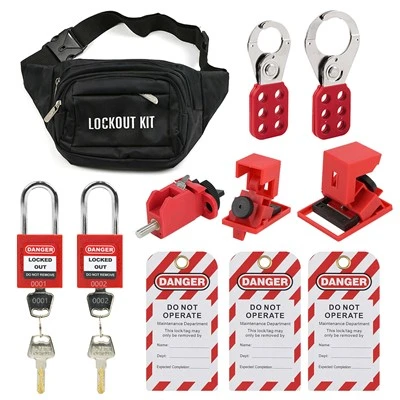
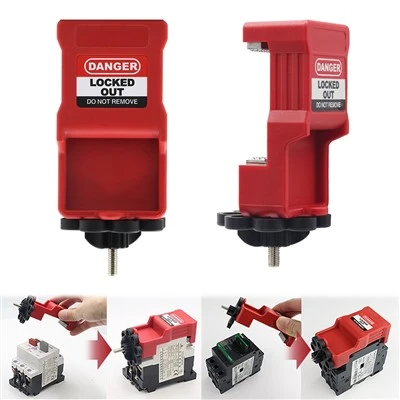
Agents typically serve as the primary link between commercial clients and safety resources that help prevent serious workplace injuries. While many employers consider their safety programs "adequate," some of the most severe and costly workers' compensation claims often stem from failing to effectively control hazardous energy sources-incidents that could have been prevented through standardized lockout/tagout (LOTO) procedures.
Empowering Agents-Strengthening Account Management, Reducing Losses, and Creating Added Value
In any work environment involving heavy machinery or energized equipment, lockout/tagout (LOTO) procedures provide an opportunity to initiate critical safety discussions. When approached thoughtfully and supported by professional resources, these conversations can reduce risk exposure while reinforcing the agent's role as a trusted advisor-a position underpinned by their expertise in loss control.
Unlike more obvious safety hazards, LOTO failures often go undetected until an accident occurs. Equipment unexpectedly starts up, stored energy releases without warning, and employees get injured during seemingly routine tasks. When these incidents happen, the consequences are often severe and almost entirely preventable.
LOTO: A Critical Safety Conversation
According to data from the U.S. Occupational Safety and Health Administration (OSHA), nearly 3 million workers nationwide perform maintenance or repairs on equipment involving hazardous energy. Proper lockout/tagout procedures prevent approximately 60,000 workplace injuries annually. Despite this, many employers lack formal protocols or rely on simplified practices, exposing employees and businesses to significant risks.
When lockout/tagout procedures are omitted or improperly executed, the consequences are often catastrophic. Such incidents frequently result in amputations, crush injuries, permanent disabilities, or even fatalities-claims that significantly impact experience adjustment factors, undermine long-term rate stability, and may jeopardize an employer's ability to obtain insurance.
From an insurance broker's perspective, the impact of such losses extends far beyond individual policies. High-payout claims influence underwriting decisions, diminish insurers' willingness to cover risks, and create long-term challenges across entire portfolios. Helping clients identify LOTO vulnerabilities early and providing expert support offers a practical approach to mitigating these downstream consequences.
OSHA: Why Lockout/Tagout (LOTO) Continues to Be a Key Focus Area
The U.S. Occupational Safety and Health Administration's (OSHA) lockout/tagout standard (29 CFR 1910.147) has been in effect for decades, yet violations of hazardous energy controls remain among the most frequently cited serious safety issues in manufacturing and industrial settings.
This persistent enforcement focus reflects a recurring investigative finding: LOTO failures rarely stem from deliberate disregard. More often, they originate from inadequate procedures, inconsistent training, or entrenched informal practices-particularly in scenarios involving aging equipment, high production pressures, or high employee turnover.
For employers, OSHA penalties represent only part of the problem. The greater risk lies in injuries occurring when procedures are not strictly followed. A single oversight-such as misjudging equipment as fully de-energized or relying on power switches instead of proper isolation-can lead to catastrophic consequences.
Understanding this context allows agents to elevate LOTO beyond mere compliance, transforming it into a broader discussion about operational discipline, employee protection, and long-term financial stability-where professional loss control expertise provides the essential foundation.
How Agents Identify Potential Lockout/Tagout Gaps
Identifying potential LOTO issues does not require agents to possess technical safety expertise. In most cases, loss control teams initiate in-depth reviews upon detecting abnormal indicators.
During client visits or account reviews, agents may encounter the following signs warranting further evaluation of LOTO programs:
1.Lack of Written Procedures
Equipment-specific lockout instructions should be documented in writing, rather than relying on verbal reminders or informal practices.
2.Shared Locks or Keys
Shared locks or master key systems undermine accountability and increase risk exposure.
3.Absence of Annual Plan Reviews
The Occupational Safety and Health Administration requires periodic LOTO plan inspections, yet many employers never conduct these reviews.
4.Insufficient Training Documentation
Operators, maintenance personnel, and relevant staff must receive documented training.
5.Overreliance on Power Switches
Simply disconnecting power is insufficient to ensure safety. Energy sources such as hydraulic, pneumatic, thermal, chemical, and stored energy devices must also be controlled.
When these signs appear, employers may face heightened risks-at which point they can seek support from Forest Mutual Insurance Company's loss control specialists for a thorough assessment.
Common Lockout/Tagout Operation Errors
Heavy machinery, multiple energy sources, and production-driven environments present unique challenges for lockout/tagout operations. Many operational failures stem not from safety negligence, but from daily practices gradually deviating from established protocols.
Focusing Solely on Electrical Energy
De-energizing equipment does not eliminate all hazards. Mechanical, hydraulic, or pneumatic energy-such as tensioned conveyor belts or pressurized lines-can remain dangerous even after shutdown.
Applying Generic Procedures Across Multiple Machines
Using a single LOTO procedure for different equipment overlooks their unique energy types and shutdown steps. Equipment-specific protocols are essential for consistency.
Informal Unlocking
Unauthorized removal of locks set by others-even with good intentions-can cause equipment to start unexpectedly, leading to serious injury. Clear rules and supervision are critical.
Communication Gaps Between Maintenance and Operations Departments
Misunderstandings regarding equipment lockout status and the timing for restarting operations frequently contribute to accidents.
These challenges are prevalent across industries. The optimal solution involves collaborative mechanisms among agents, employers, and loss control teams to address them collectively.
Discussing Lockout/Tagout (LOTO) with Clients: Key Concepts to Emphasize
When lockout/tagout procedures become part of customer conversations, agents can focus on core principles-without providing technical guidance. These elements, supported by the Forestry Mutual Insurance Company's Loss Control Guidelines, form the foundation of an effective program:
1. Establish clear rules for applying lockout/tagout procedures
Distinguish between routine operations and maintenance or repair activities requiring lockout/tagout implementation.
2. Identify all energy sources
Cover electrical, hydraulic, pneumatic, thermal, chemical, and stored energy.
3. Properly use energy isolation devices
Ensure circuit breakers, switches, and valves are clearly labeled, locked, and tagged.
4. Communicate with affected personnel
Ensure operators and nearby workers are aware of the locked-out status.
5. Standardize Lockout Procedures
Require each equipment maintenance worker to use their own personal lockout device.
6. Zero Energy Verification
Test equipment before work begins to confirm energy is fully controlled.
7. Safe Restart Process
Employ a structured startup procedure to prevent secondary injuries.
8. Training and Annual Review
Reinforce operating procedures through ongoing training and periodic program evaluations.
Why It Matters: Business Value Analysis
A robust lockout/tagout program helps:
1. Reduce the frequency and severity of losses
Preventing major injury incidents helps maintain a more stable experience adjustment factor and rates.
2. Strengthen client relationships
Employers value guidance programs that support safe, sustainable operations.
3. Enhance agency competitiveness
By providing valuable safety resources, agents transcend transactional brokerage roles.
4. Safeguard business continuity
Major losses may impact underwriting eligibility; preventative measures help preserve long-term partnerships.
HiLink is your one-stop safety lockout tagout solution expert!