A customer sends through an order with six lines on it. Three MCB lockouts, two universal ones, a padlock, a hasp, and a pack of tags. Call it fifty pounds. Someone walks the aisles four times to pick it, someone packs it, someone raises the invoice, and by the time the box is on the van the order has cost you more in handling than it returns in margin.
Nobody did anything wrong there. The catalog just sold it one piece at a time.
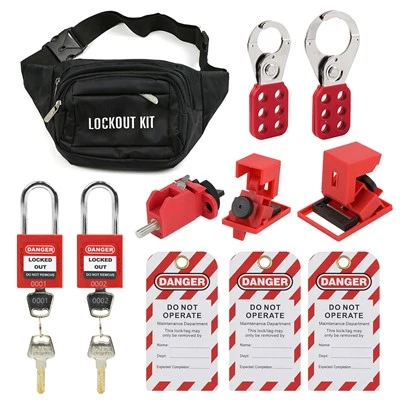
The same six items, put together as a kit, sell for a little less than the sum of the parts, pick in a single pass, and land on the customer's desk as something he can hand to an auditor without having to explain it. That's the whole argument, and it's worth walking through slowly, because the pricing side is where most catalogs get it wrong.
What the buyer is actually buying
A plant doesn't buy lockout hardware piece by piece because it prefers to. It buys that way because nobody offered it the finished job.
Think about the maintenance supervisor setting up a shutdown for a crew of four. He needs devices that fit his breakers, a hasp that carries four padlocks, tags for each lock point, and somewhere to keep the lot so it doesn't walk off between jobs. Bought loose, that's four requisitions, three suppliers, and a week of waiting. Handed to him as a box with a contents list on the lid, it's one line on a purchase order and he's finished before lunch.
There's a second thing he's buying, and it matters more than most suppliers realise. When an inspector asks to see the procedure, a bag of loose parts is hard to defend. A labelled kit with a written contents list looks like a program. The hardware is the same in both cases. The story it tells isn't.
That's why kits hold their price. You're not selling six items in a box. You're selling the end of a conversation.
What it does to your numbers
The obvious effect is average order value, and it's real, but it's not the interesting one.
The interesting one is that a pick line costs you roughly the same whether it's a two-pound lockout or a two-hundred-pound station. Six loose lines and one kit line carry the same revenue in this example and nowhere near the same handling. Multiply that across a month of trade counter orders and it starts showing up somewhere in the accounts.
Then there's stockouts. A missing single SKU costs you one line on an order. A missing component costs you the whole kit, which is a harder conversation. The way round it isn't to carry deeper on everything - it's to design the kit so the contents are interchangeable and to keep one substitute that fits the same hole.
Returns are the last one, and the most expensive. Most LOTO returns aren't faulty. They're the wrong fit - a clamp bought for a DIN-rail breaker, a padlock with a shackle too fat for the hasp. Every one of those costs you the freight in both directions plus the credit note. A kit that's configured for a specific job removes most of that decision from the customer's hands, which is exactly where the errors come from.
Where the price actually sits
It helps to have a reference point, so here's the UK retail picture from October 2026, pulled off RS Components' own listings.
| Item | Listed price |
|---|---|
| MCB lockout, 7.25mm | £5.05 – £8.23 |
| Universal breaker lockout, 8mm | £5.15 – £6.65 |
| Safety padlock, 6mm nylon | £9.00 |
| 6-hole hasp, 38mm | £11.10 |
| "Do Not Operate" tags, pack of 10 | £10.35 – £13.60 |
| RS PRO Electrician Lockout Kit | £40.90 |
Price the contents of that electrician kit out loose and you land somewhere between £51 and £65. The kit sells at £40.90 - roughly twenty to thirty-five percent below the sum of its parts.
That gap is the thing worth understanding. It isn't a discount. It's the removal of the picking, the packaging, and the decision. The customer is paying less and getting more, which is why kits convert, and the reason it still works for the seller is that the contents are the cheapest things in the catalog. A clamp, a padlock, a hasp-none of these are where the value sits. The configuration is.
One caution on reading that table. Those are retail prices with tax in them. Don't build your own price list off them. Treat £40.90 as the ceiling for that configuration in that market and work backwards to what you can pay for the contents while keeping your own margin intact. If the arithmetic doesn't close, the kit is wrong, not the market.
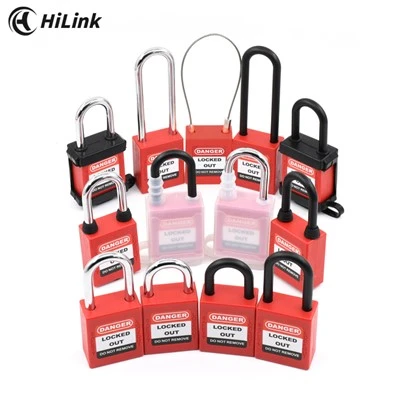
The brand layer gives you another data point. Brady's six-pack of nylon padlocks lists at £103.56, which is £17.26 a lock. Master Lock's S31RED sits at £18.25. RS PRO's own 6mm padlock is £9.00. Same function, twice the price, and the gap is entirely reputation. That's useful to know when you're choosing where to compete. You probably can't win the top of that range, and you don't want to be at the bottom of it either. The middle, priced against the unbranded end and packaged better, is where most distributors make their living.
Three tiers, three jobs
Kits tend to fall into three price bands, and each one is doing something different for you.
The entry kit is the electrician's personal bag - a few MCB devices, one padlock, a hasp, a handful of tags. In the UK that's the £40–50 shelf, and it exists to be bought by an individual on his own money without asking anyone. It's a ranking and review product more than a margin product. Don't expect it to carry the year.
The site kit is the six- or twelve-lock wall station. This is where the money is. It's bought on a company account, it's specified by whoever runs the maintenance budget, and it repeats when a second site opens. Price it so the station board feels included rather than charged for.
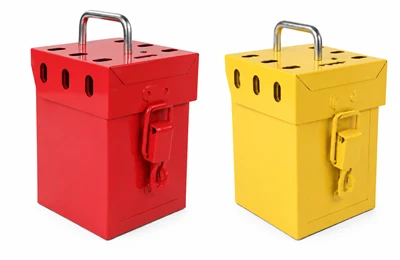
The project kit is the group lockout box, keyed alike, with enough tags and hasps for a contractor crew. Fewer units, larger tickets, and it usually arrives through a tender or a framework agreement rather than a webshop. Worth having even if it's a small share of volume, because it's the one that gets you onto approved vendor lists.
Where kits go wrong
Three failure modes, and they're all common.
The first is size. A first-time buyer looking at a 138-piece master kit doesn't see value, he sees a number he has to justify. Start him on something he can carry and let him trade up.
The second is stuffing. Every kit accumulates one component nobody uses, and that component is the one that comes back. If a device is in there because it was cheap to add, take it out.
The third is the missing contents list. A kit without a printed inventory is just a box of parts with a higher price on it. The list is half the product.
And keep the categories apart. An electrician's kit and a valve lockout kit solve different problems for different people. Merging them to raise the ticket lowers the conversion.
Four questions for any supplier
If you're sourcing kits rather than building them in-house, these are the ones that separate a factory from a trading desk.
Can the contents be mixed at reasonable quantity, or is there a minimum per component? Can the box carry your branding instead of theirs? Will they supply neutral product photography, because a distributor building his own label doesn't want the original logo in every image. And when a single component runs short, will they ship the replacement on its own or does the whole kit have to be reordered?
The answers tell you more about a supplier than a price list does. It's also, for what it's worth, the part of the conversation where most factories go quiet.
The catalog question
If your LOTO range is sixty SKUs and forty of them move once a quarter, the products probably aren't the problem. They're all standing alone, each one waiting for a customer who already knows exactly what he needs.
Most of your customers don't. They know the job they have to finish. A kit is what you sell the job.