In industries operating heavy hazardous machinery, accidents occur frequently. However, such incidents could be prevented by implementing proper safety procedures and guidelines. Lockout/tagout is one such process that protects workers from injuries caused by the release of hazardous energy during maintenance and repair operations.
According to the U.S. Occupational Safety and Health Administration (OSHA): "Control of Hazardous Energy (Lockout/Tagout) (29 CFR 1910.147) establishes measures for controlling various hazardous energies in general industrial settings." The lockout/tagout process prevents the reintroduction of hazardous energy during maintenance by isolating the energy supply to equipment, machinery, or processes and securing it with a lock. Since OSHA implemented this system, it has consistently protected workers from injuries caused by hazardous energy releases and maintenance accidents.
Compliance with lockout/tagout requirements is not only about ensuring sustained production efficiency but also safeguarding precious lives. In this article, HiLink will explore various challenges encountered during LOTO implementation and present strategies for effective lockout/tagout application through practical case studies.
Understanding Lockout/Tagout Compliance Requirements:
The Occupational Safety and Health Administration (OSHA) established the hazard energy control (lockout/tagout) regulation in 29 CFR 1910.147 in 1982, aimed at protecting workers maintaining equipment in the workplace.

During maintenance operations, workers must be protected from hazards posed by unexpectedly released energy.
Such hazardous energy may manifest in various forms, including:
1.Electrical (live wires, charged capacitors, energized circuits)
2.Mechanical (moving components such as gears, blades, rollers; tensioned springs)
3.Hydraulic (high-pressure fluids)
4.Pneumatic (compressed air, debris)
5.Chemical (reactive chemicals, pressurized gas containers)
6.Thermal energy (ovens, boilers, refrigeration equipment)
7.Gravitational energy (suspended objects, heavy components)
and other forms.
Given that each industry faces unique safety challenges and requirements, implementing lockout/tagout (LOTO) solutions tailored to the specific needs of each sector is critical.
Regulatory Compliance
The U.S. Occupational Safety and Health Administration (OSHA) lockout/tagout guidelines detail the procedures and steps required to deactivate and disconnect machinery or equipment from power sources to prevent hazardous energy releases.
ISO 14118 "Safety of machinery" and the American standard ANSI/ASSE Z244 are two additional international standards that both specify requirements for the use of "zero energy" (i.e., the principle of operating equipment without voltage to prevent hazards). The ANSI/ASSE Z244.1 standard provides detailed guidelines for controlling hazardous energy through lockout/tagout procedures and other alternative methods.
These standards ensure safety on another level:
1.They save lives by preventing approximately 50,000 lockout/tagout incidents and 120 fatalities annually.
2.They reduce corporate expenditures by cutting labor hours and insurance costs.
3.They enhance productivity by minimizing equipment downtime.
Common Challenges in Lockdown Compliance:
Let's explore several challenges frequently encountered during lockdown procedures and how to effectively address them to ensure maximum safety.
Insufficient Awareness and Training:
Inadequate training on lockout/tagout procedures is a key factor contributing to LOTO failures. When authorized personnel lack effective training on how to disconnect, de-energize, and isolate hazardous energy sources, it leads to accountability gaps and operational negligence. Simultaneously, if affected employees are not trained on maintaining vigilance and monitoring ongoing processes, they may inadvertently re-energize equipment, jeopardizing others' safety.
To prevent any oversight, every employee-especially authorized personnel-must undergo training on written procedures. Delivering on-site or interactive training to the appropriate audience ensures all protocols are correctly executed while instilling a sense of personal responsibility for safety among authorized personnel. Training and retraining must be integrated into every safety procedure, with content updated regularly.
Cultural Barriers:
Another key challenge lies in workers' mindset. Workers often perceive lockout/tagout as a time-consuming procedure of little consequence, failing to recognize hazards even during routine maintenance and repairs. To meet daily production targets and delivery deadlines, they frequently omit lockout/tagout devices or skip written procedures.
Employers bear the responsibility to enforce safety protocols and cultivate a safety culture among all employees. When employers clearly communicate the necessity of effective safety protocols, employees must adhere to all rules and regulations. This fosters a sense of security and demonstrates care for employee well-being, thereby establishing a safety-first work culture.
Cost Constraints:
Businesses often perceive lockout/tagout as an expensive process.
Budget limitations and other resource constraints force companies to cut redundant expenses and reprioritize spending, which frequently leads to safety protocols being neglected.
In the long run, lockout/tagout procedures save money, time, and lives. A well-designed lockout/tagout process can be both cost-effective and effective. High-risk areas must implement standardized lockout/tagout, but the process itself is not costly. Providing employees with adequate training and quality equipment not only builds a safety culture but also generates higher profits.
Technical Limitations:
Even with lockout/tagout procedures in place, accidents may still occur due to technical limitations-such as rusted panels, outdated machinery, or advanced energy control devices. Such equipment may still become energized despite LOTO devices being installed.
Equipment must be regularly updated and inspected for corrosion, damaged panels, or other defects that could endanger worker safety. Another safeguard is to customize LOTO devices to specific equipment requirements, whether by retrofitting existing equipment or developing new devices tailored to the equipment.
Strategic Approach to Addressing Challenges:
Comprehensive Training Program:
All personnel potentially affected by the use of these technologies, as well as those authorized to perform lockout/tagout procedures, must undergo training. An effective lockout/tagout training program should include instruction on how to properly lock or tag equipment, and how to operate lockout/tagout devices and other safety equipment. The program should also incorporate hazard information relevant to the equipment being operated, along with preventive measures to avoid accidents and injuries.
Cultural Change Initiatives:
In the workplace, making safety a top priority must start at the highest levels. When managers, leaders, and employers demonstrate their commitment to safety, employees understand its importance and follow management's example. Furthermore, rewarding safe behavior through recognition, awards, or certifications not only motivates the recipients but also inspires their colleagues.
Safety Investment:
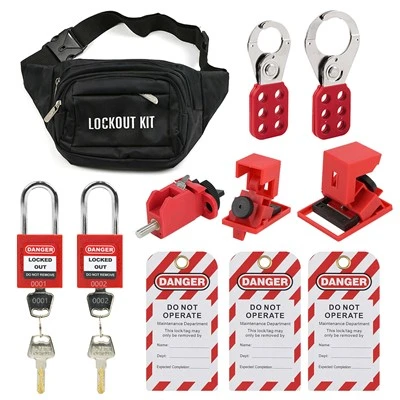
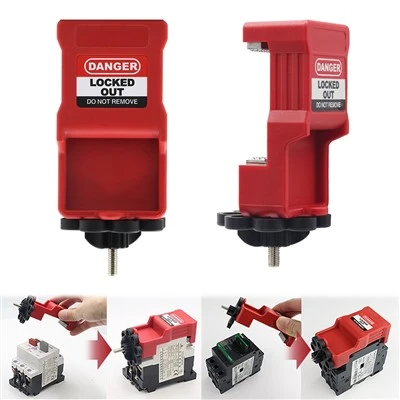
A safe workplace is an efficient workplace. Employers must invest in employee safety and well-being, whether through implementing safety protocols or providing appropriate lockout/tagout (LOTO) equipment. Specific LOTO devices such as insulated padlocks, cylinder locks, or high-quality valve covers can effectively enhance workplace safety and productivity.
Regular Audits and Continuous Improvement:
Through comprehensive inspections of machinery and workflows, regular audits help identify gaps in safety procedures and uncover potential hazards. This ensures all safety protocols remain up-to-date, enabling the factory to comply with standards established by international organizations.
Case Studies and Best Practices:
#Case 1 - During maintenance on a hot oil pipeline, employees followed proper lockout/tagout procedures. After repairs were completed, all locks were removed and the system was restored to operational status. However, control room personnel unexpectedly received instructions to start the system five hours ahead of schedule. Two supervisors, unaware of this change, decided to personally inspect the repairs. No lockout/tagout procedures were implemented during the inspection, and control room personnel were not notified of this decision. When the system started as instructed, hot oil flowed through the pipeline again, resulting in the immediate deaths of both supervisors.
This case demonstrates: All employees (not just authorized maintenance personnel) must be aware of maintenance procedures. Anyone entering a hazardous area must apply their own safety locks.
#Case 2 - A 52-year-old welder was fatally crushed by the hydraulic door of a metal shredder, resulting in a tragic accident. At the time of the incident, the employee was attempting to clear metal debris that had become lodged in the hydraulic door. Unfortunately, the object causing the blockage unexpectedly dislodged, causing the door to slam shut and pin the worker beneath it. Investigation revealed that energy within the system had not been properly released, and the door had not been secured in the open position.
This case demonstrates that even seemingly simple tasks like clearing debris require adherence to proper isolation procedures. Safety precautions must be implemented for any operation that could potentially expose any part of the body to danger.
Conclusion
Lockout/tagout is not merely about compliance; it is essential for worker safety and sustained productivity. By implementing thorough protective measures, life-altering accidents such as amputations, burns, fractures, and loss of life can be prevented.
HiLink is your one-stop safety lockout tagout solution expert!