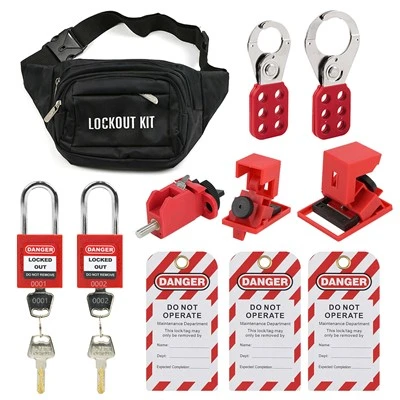
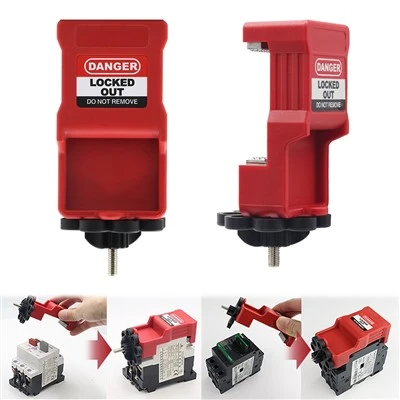
In the world of industry and manufacturing, safety procedures are very important, especially when dealing with high-risk equipment or machinery. One of the most commonly used safety methods is the Lockout/Tagout (LOTO) system. LOTO is a procedure for locking and tagging hazardous equipment to ensure that it is inactive and safe to work on. This procedure must be carried out in accordance with safety standards set by the Occupational Safety and Health Administration (OSHA) in the United States to avoid the risk of injury that may occur during equipment maintenance or repair.
However, did you know that LOTO devices often have different colour codes? Each colour has its own meaning to provide visual information about the risk level and status of the equipment. Let's take a look at what each colour code means in the LOTO system.
1. Red – Danger
Meaning: The colour red indicates a "Danger" condition. If a red LOTO device is attached to equipment, it means that the equipment is in a high-risk condition and must not be operated. Red is a colour commonly used in LOTO to indicate that the machine must not be activated until the work is complete.
Purpose: To prevent workplace accidents by indicating the presence of significant potential hazards.
2. Yellow – Caution
Meaning: Yellow is the colour for "Caution." When you see a yellow LOTO device, it means that the equipment requires extra caution before use. Although the risk is not as high as red, this warning must still be heeded.
Purpose: To remind workers to be cautious and conduct a thorough inspection before activating the equipment.
3. Orange – Warning
Meaning: Orange often indicates a "Warning" of a specific risk. Typically, this colour is used on equipment that requires attention but is not in an extremely dangerous condition.
Purpose: To remind workers that there is a potential risk that requires attention.
4. Fluorescent Orange or Red-Orange – Biological Hazard
Meaning: This colour code is used to indicate the presence of a biological hazard. Fluorescent orange or red-orange colours are commonly seen on equipment or areas that may be contaminated with hazardous biological materials.
Purpose: To signal the presence of a biological risk so that workers can take the necessary precautions.
5. Green – Used by Contractors
Meaning: Some facilities choose green to indicate LOTO devices installed by contractors or external parties. Although there are no specific standards governing this, green is sometimes used to separate equipment locked out by external personnel from equipment locked out by internal staff.
Purpose: To facilitate the identification of LOTO devices managed by contractors.
6. Blue – Equipment Protection
Meaning: Blue usually indicates that the LOTO device is used to protect equipment, not for worker safety. For example, a blue lockout may indicate that the lockout is intended to prevent damage to equipment when it is not in use.
Purpose: To ensure that equipment is protected from damage or external interference.
7. Black or White – Special Requirements
Meaning: In some cases, black or white colours are used on LOTO devices for specific purposes. These colours are rarely used and usually have a more specific meaning that has been agreed upon by the company.
Purpose: To help mark LOTO devices for specific purposes in accordance with internal company procedures.
Colours Recommended by OSHA
Although OSHA does not specify certain colours for LOTO systems, OSHA provides guidelines on the use of colours for tags and signs. According to standard 29 CFR 1910.147 issued by OSHA, they recommend the use of certain colours on tags and labels used in LOTO systems. The following are the colours recommended by OSHA:
Red to indicate "Danger", which means high risk or emergency conditions.
Yellow to indicate "Caution", which means situations that require extra attention, but are not urgent.
Orange for "Warning", which means potential hazards that are not immediately threatening but need to be watched out for.
Fluorescent orange or red-orange to indicate "Biological Hazard", used in situations involving biological hazards.
Why is the LOTO Colour Code Important?
The use of colour codes on LOTO devices provides a quick and effective way to understand the condition of equipment without the need for further inspection. With these colour codes, workers can immediately see the status of the equipment and understand whether it is safe to operate or still undergoing maintenance. Although OSHA does not set specific LOTO colour code standards, many companies implement this colour coding system to improve safety and avoid misunderstandings in the workplace.
The Role of OSHA in the LOTO System
OSHA (Occupational Safety and Health Administration) is the agency that sets workplace safety standards in the United States, including for LOTO procedures. OSHA does not mandate the use of specific colours for LOTO devices, but it does provide guidelines on how locking and tagging systems should be implemented to ensure worker safety.
According to standard 29 CFR 1910.147 published by OSHA, LOTO devices must be:
Durable: Made of materials that are resistant to the environment in which the device is used.
Strong: Cannot be removed without considerable force.
Standardised: Clearly distinguishable from other devices by using different colours, shapes, or sizes.
Identified: Indicate the authorised worker who installed the device.
Safety-specific: Not be used for any purpose other than energy control.
These guidelines ensure that the LOTO system is not only effective but also easily understood by workers in the field, thereby reducing the risk of workplace accidents due to procedural errors or misunderstandings.
Tips for Using the LOTO Colour System
For the LOTO colour system to be effective, companies need to ensure that every worker understands the meaning of each colour. Here are some tips for optimising the use of colour codes in LOTO:
Regular Training: Provide regular safety training to all staff so that they understand the LOTO colour system.
Simple and Consistent: Use colour codes that are easy to remember and consistent across all facilities to reduce the risk of misunderstandings.
Clear Markings: Ensure that LOTO devices have labels and colours that are easily visible so that safety messages can be clearly understood by all parties.
With a well-organised LOTO system and a well-structured colour code, companies can create a safer working environment and avoid the risk of accidents due to procedural errors.
Requirements for LOTO Devices in NFPA
The National Fire Protection Association (NFPA) also publishes requirements for LOTO devices in NFPA 70E: Standard on Electrical Safety in the Workplace. These guidelines are similar to OSHA standards, but provide more detail. NFPA 70E-2021 Section 120 requirements include:
Lockout devices must be capable of being locked, either with a key or a combination.
Lockout devices must have a means of identifying the worker who installed the device.
Lockout devices must be suitable for the environment in which they are used.
Keys or combinations for lockout devices must be kept by the person who locked the device or the person responsible, in accordance with written lockout procedures.
Conclusion
The colour coding system on LOTO devices plays an important role in ensuring workplace safety. Each colour, from red to blue and even green, has a specific meaning and purpose to provide clear visual information about the condition of the equipment. By understanding the meaning of each colour, workers can more easily recognise the level of risk and ensure that safety procedures are followed correctly.
Although OSHA and NFPA do not set specific standards for colour coding, the guidelines provided help companies create a safe working environment. Implementing an effective LOTO system, including consistent use of colour coding and regular training, is a crucial step in preventing workplace accidents and safeguarding the well-being of all workers.
Use LOTO devices in accordance with standards, understand the meaning of the colours, and make safety a top priority in your workplace.
HiLink is your one-stop safety lockout tagout solution expert!