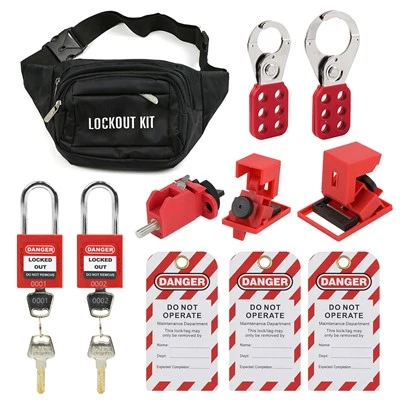
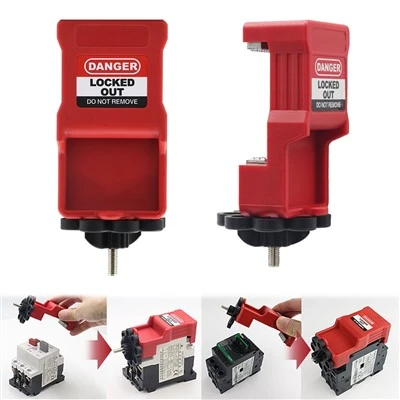
vulnerabilities and pose security safety risks if not properly installed or used. As an important safety accessory for firearm storage, wire padlocks are widely used in home storage, outdoor transportation and professional equipment management. However, many users simply package and lock the device without following the standard installation process, leading to problems such as failed locks or inadequate protection. According to the firearms storage safety standards, this paper introduces the correct installation method, main points of usage points and common hidden dangers of wire padlock in detail, and helps users to carry out comprehensive safety protection.
Before installing and using a wire padlock, it is important to understand the core operating principles: the padlock serves a dual purpose-turning off the firing mechanism to prevent accidental discharge, while ensuring the gun is positioned to prevent theft or unauthorized use. The standard installation, therefore, does not simply wrap the cable around the gun; it must follow the logic of "functional lock plus physical immobilization," which distinguishes it from accidental installation. In addition, before installation, the lock must be inspected for signs of damage,such as broken cable strands, wear or age, smooth operation of the lock cylinder and good protection cover, and the damaged lock must be replaced immediately to avoid endangering safety.
There are standardized procedures for the installation of conventional weapons. First, put the firearm in safe condition: unload the firearm completely, clear the chamber, and verify that there is no remaining ammunition. This foundational step prevents accidental discharge during installation or debugging. The flexible cable is then threaded through the trigger guard and securely wrapped around the trigger assembly. Avoid partial or misplaced packaging; the goal is to actually prevent the trigger from being pulled, thereby locking the firing mechanism and preventing unauthorized persons from operating the weapon and causing accidents.
Once the firing mechanism of the firearm is locked in, the second step must be taken, which is physical immobilization; this is a critical stage that many users tend to ignore. Secure the remaining length of the cable around a sturdy load-bearing structure-such as an internal anchor rod, metal bracket or wall-mounted anchor ring for a cabinet-to ensure tight, unflabby wrapping to prevent loosening or unsafe installation. Tighten the cable until there is no room to move, then insert the key into the cylinder to secure the cable, making sure the locking mechanism is fully connected and immovable. Properly installed, the trigger is rendered inoperable and the firearm is prevented from being moved or carried away for true double security.
Operational details should be flexible to accommodate different usage scenarios. For long-term home storage, guns must be completely enclosed in a dedicated storage cabinet with steel cables fastened to the cabinet's internal structure. It is prohibited to simply lock a gun without holding it in place, as this would make it easy to remove the weapon once the cabinet is opened. For temporary storage scenarios-such as outdoor camping or field work-choose a strong, stable anchor point to avoid temporary structures that are prone to loosening or breakage. In addition, pile up excess cables to prevent them from getting stuck on external objects and getting stuck in locks, and unlock and stack them in time to prevent loss after use.
Most of the daily safety risks stem from mishandling and bad habits. Common mistakes included the cable being wound too loosely to pass through the trigger guard or locking the gun without securing it to a fixed point; while these actions appeared to ensure the weapon's safety, they actually render the protection ineffective. Avoid straining the body of the gun too much, as too much force can deform components. Also, don't wrap cables directly around delicate parts such as precision cylinders or racks, which can cause wear and tear or crush damage; strike a balance between safety and proper equipment maintenance.
In addition to installation standards, proper maintenance and storage protocols are critical. When stored for a long time, the condition of the lock should be checked regularly to remove dust or grime from the surface of the cable and to prevent excessive humidity from causing rust or blockage of the lock and affecting the locking and unlocking functions. Designate a special person to be responsible for the management of the equipment and keys, strictly forbid the equipment and keys to be handed over to others, to prevent unauthorized lock picking or improper use. During unlocking, the surrounding environment must be secured. After unlocking, it must be properly stowed or used as required. It should be re-locked and stored immediately after use to establish a complete safety management loop.
In short, the protection of cable padlocks depends entirely on the correct installation and usage. Only by adhering to standard operating procedures and correcting bad habits can its safety value in preventing misuse, loss and theft be fully realized. Proper usage protocols are not only a basic requirement for the safe storage of firearms, but also an important measure to avoid safety incidents and ensure regulatory compliance.
 English
- English
- Français
- Deutsch
- 日本語
- Italiano
- Español
- Português
- русский
- Melayu
- Türkçe
- Eesti
- বাংলা
- România limbi
- O'zbek
- Malti
- فارسی
- українська
- dansk
- Svenska
- Indonesia
- Srbija jezik (latinica)
- اردو
- suomi
- Norsk
- Bai Miaowen
- slovenčina
- Nederlands
- íslenska
- bosanski
- Cymraeg
- Latviešu
- Polski
- Gaeilgenah Éireann
- Lietuvių
- Ελληνικά
- slovenščina
- عربي
- ไทย
- 한국어
- Kreyòl Ayisyen
- hrvatski
- हिंदी
- magyar
- Čeština
- Català
- עברית
- Việt Nam
- Български