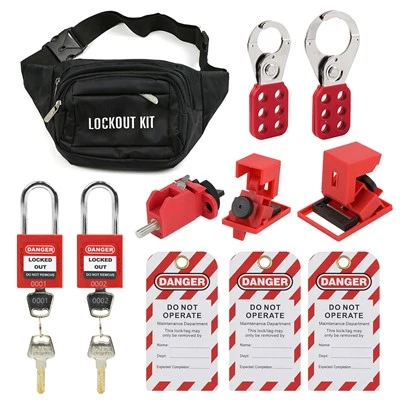
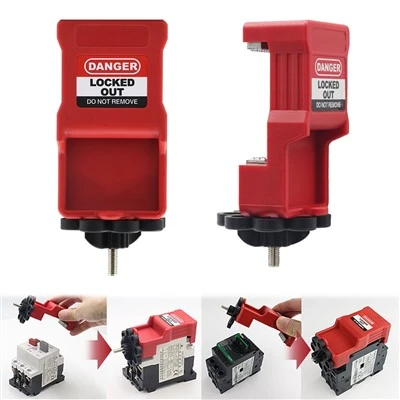
A concealed padlock is a security device that uses a special design to hide a keyhole, lock beam, or entire structure. Its core goal is to reduce the number of exposed components to improve safety and aesthetics. Common types and characteristics are as follows:
I. Classification by Concealment Method
Hidden keyholes
Design: The keyhole is covered by a sliding lid, rotating panel or plastic wrapping, requiring special movement (such as sliding or pressing) to expose the keyhole.
For example, the Douyin are filled with plastic-wrapped water, rust and anti-theft padlocks. The lock must be unlocked to effectively prevent insertion into lock pick.
Strengths: Direct sealing, suitable for outdoor or high-risk environments.
Hidden Locks
Design: The lock beam adopts a retractable or collapsible structure, which can be retractable when used and fastened when not used.
The ZTE Chuangyuan Smart Fingerprint Padlock Z6 for example, comes with a concealed lock beam that opens when swinging and integrates fingerprint recognition to improve security.
Strengths: Prevent lock beam from being cut and reduce space usage. Concealed Structure
Design: The lock is fully embedded in the mounting surface (such as a door or cabinet), with only external interface visible (such as fingerprint area and combination dial).
For example, invisible locks are embedded in door frames and doors, leaving locks exposed and keeping surfaces smooth.
Strengths: Simple and beautiful design, suitable for high-end residential or commercial space.
ii. By Functionality
Smart Concealed padlocks
Technology: Integrated fingerprint recognition, password entry or Bluetooth connectivity with traceability.
For example, The ZTE Chuangyuan Z6 supports 10 fingerprint inputs, 0.5 second unlock, and comes with stylish LED light strip.
Purpose: Gym lockers and shared equipment locks for high frequency use.
Mechanical Concealed Padlock
Technology: Reliance on traditional lock core (such as blades or magnetic structures) to improve safety through stealth design.
Four-digit combination padlock, concealed metal combination wheel, waterproof and rust resistant, suitable for humid environment. Application scenarios: Warehouse, warehouse shed and other low-frequency applications with high reliability requirements.
III. Application Scenarios and Advantages
Scenario Advantages
OUTDOOR SPACE: Padlocks with concealed keyholes protect against rain damage, and plastic coating improves weather resistance (such as silver bucket waterproof padlocks).
Home Safety: Invisible door locks remove exposed lock body and prevent children from accidentally touching or damaging them. Made of durable, corrosion resistant 304 stainless steel.
Business sharing: Smart padlocks support multi-user fingerprint management, reduce the risk of key loss and improve operational efficiency.
Industrial Warehousing: Interlocking padlocks (level 1 + 2) require more than one person to open at once, making them ideal for storing high-value items.
IV. INTRODUCTION INTRODUCTION INTRODUCTION INTRODUCTION INTRODUCTION Purchasing Recommendations
Material Priority: 304 stainless steel or plastic-coated locks should be selected for outdoor application. For indoor applications, zinc alloys can be used to reduce costs.
Functional Matching: hf app chooses smart padlocks such as fingerprint recognition, hf app chooses mechanical combination locks.
Concealment verification: check that the lock cover is secure and that the lock beam is flush with the lock body after retraction. Safety certification: Priority is given to internationally certified products such as TUV, ISO9001, e.g. DEFEND-LOCK hidden gear).
 English
- English
- Français
- Deutsch
- 日本語
- Italiano
- Español
- Português
- русский
- Melayu
- Türkçe
- Eesti
- বাংলা
- România limbi
- O'zbek
- Malti
- فارسی
- українська
- dansk
- Svenska
- Indonesia
- Srbija jezik (latinica)
- اردو
- suomi
- Norsk
- Bai Miaowen
- slovenčina
- Nederlands
- íslenska
- bosanski
- Cymraeg
- Latviešu
- Polski
- Gaeilgenah Éireann
- Lietuvių
- Ελληνικά
- slovenščina
- عربي
- ไทย
- 한국어
- Kreyòl Ayisyen
- hrvatski
- हिंदी
- magyar
- Čeština
- Català
- עברית
- Việt Nam
- Български