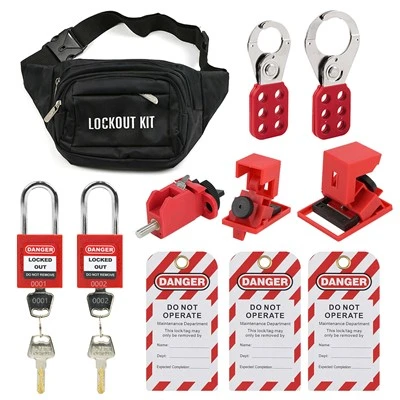
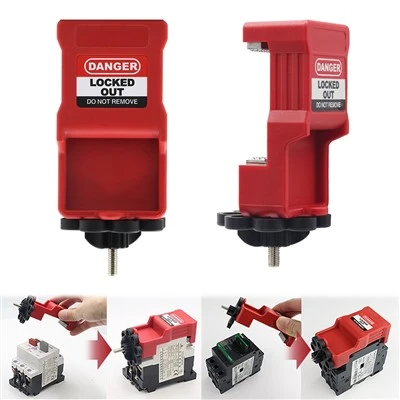
No, no, no... LOTO is not the name of a lottery. Lockout/Tagout (LOTO) is a safety procedure employed in industrial and other settings to ensure equipment is properly shut down and cannot be restarted until maintenance or repair work is complete. The purpose of LOTO is to prevent machinery from being accidentally energised or started, thereby avoiding serious injury or fatal accidents.
Origin of Lockout/Tagout Regulations:
The origin of Lockout/Tagout (LOTO) regulations can be traced back to the United States Occupational Safety and Health Administration (OSHA), specifically its Hazardous Energy Control (Lockout/Tagout) Standard (29 CFR 1910.147) established in 1989. This regulation requires employers to establish, implement, and enforce energy control procedures to prevent the unintended release of hazardous energy during maintenance or repair operations.
Key components of this regulation include:
Energy control procedures: Documented operational processes for equipment shutdown and lockout/tagout.
Training requirements: Employees must undergo training in lockout/tagout procedures.
Periodic reviews: Employers must conduct regular audits of their lockout/tagout processes.
The standards of the United States Occupational Safety and Health Administration (OSHA) apply to all types of energy presenting hazards during maintenance and repair operations, including electrical, mechanical, hydraulic, pneumatic, chemical, thermal, and other forms of energy.
Ensuring employee safety:
Lockout/tagout procedures are critical to employee safety as they directly address the hazards posed by the unintended release of hazardous energy. Without proper lockout/tagout protocols, workers may suffer serious injury or even death due to the following circumstances:
Accidental start-up of machinery whilst personnel are working inside or outside the equipment.
Sudden activation of moving parts due to the release of stored energy (such as hydraulic pressure or electrical charge).
LOTO ensures safety through the following means:
Preventing injury: Protecting workers from life-threatening harm such as amputation, electrocution, crushing injuries and burns.
Controlling hazardous energy: LOTO ensures energy sources are isolated and controlled, eliminating the risk of unexpected energisation.
Clear communication: Utilising warning labels alongside locks to explicitly convey to all personnel that equipment is under maintenance and must not be restarted.
Regulatory Compliance:
From a compliance perspective, adherence to the lockout/tagout regulations of the United States Occupational Safety and Health Administration (OSHA) is paramount for avoiding legal penalties and maintaining a safe workplace. Non-compliance may result in substantial fines, legal proceedings, and reputational damage. Beyond mitigating these penalties, the correct implementation of lockout/tagout procedures also assists organisations in achieving:
Reducing workplace accidents: A safer working environment can lower accident rates and reduce absenteeism due to work-related injuries.
Lowering insurance premiums: Fewer accidents mean fewer workers' compensation claims, potentially leading to reduced insurance costs.
Boosting staff morale: A secure workplace fosters trust, thereby enhancing employee morale, productivity and retention rates.
Conclusion:
Lockout/Tagout (LOTO) is a critical safety procedure originating from the Occupational Safety and Health Administration (OSHA) regulations in the United States, designed to control hazardous energy sources. By preventing the unintended start-up of equipment and the release of energy, LOTO plays an essential role in safeguarding workers during maintenance and repair operations. Furthermore, adherence to LOTO procedures is not only vital for protecting personnel but also constitutes a core element of compliance requirements. It helps organisations avoid penalties while fostering the development of a robust safety culture.
HiLink is your one-stop safety lockout tagout solution expert!