Occupational safety and health rests upon several fundamental pillars, with its core objective centered on fulfilling a critical mission: ensuring work is conducted in a safe and healthy environment. Workers, employers, and government agencies must collectively defend workers' safety rights, committing to establishing and maintaining standard-compliant working conditions and a positive employment culture.
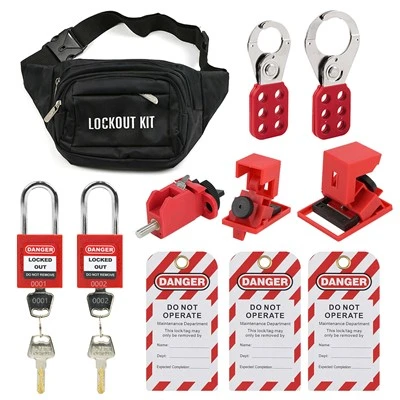
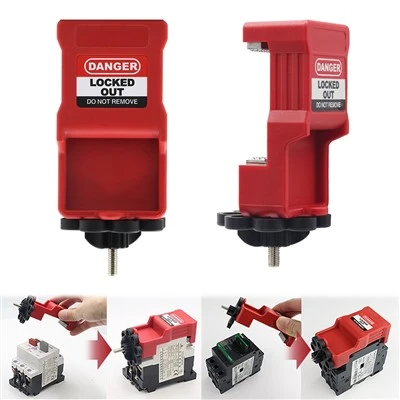
Lockout/Tagout (LOTO) safety procedures form a central component of safety programs across all industries. As an energy control solution, LOTO effectively prevents injuries to personnel during maintenance tasks by preventing the unexpected start-up of equipment or the release of hazardous energy.
Who is responsible for lockout/tagout?
The lockout/tagout procedure is designed to ensure personnel safety and prevent injuries caused by accidental energization, startup, or energy release during equipment maintenance or servicing. Once a lockout/tagout plan is implemented, different employee groups will be responsible for providing and receiving training, equipping the lockout/tagout process with appropriate devices, and conducting routine assessments. In short, every employee in the organization plays a vital role in the lockout process. The best way to establish a unified and well-managed lockout program is to secure the commitment and participation of employees at all levels of the organization.

The obligations of administrative bodies, enterprises, and employees should be regarded as interdependent and mutually reinforcing, collectively committed to maximizing occupational safety and health within the constraints of regulations and cultural norms.
Responsibilities of Senior Management:
A successful lockout/tagout program begins with the support of senior management. Given that occupational hazards frequently occur in the workplace, employers must provide a safe and healthy working environment. The employer's responsibility extends beyond establishing policies to include understanding occupational hazards and committing to ensuring business practices promote workplace safety and health. Employers are responsible for providing workers with all necessary lockout/tagout devices.
The Facility Management Committee is responsible for developing strategies and implementing employment practices. Managers and supervisors are responsible for establishing lockout/tagout procedures and documenting all special energy control processes. This includes identifying personnel, machinery, equipment, and procedures that must be incorporated. Managers, supervisors, or employers are responsible for ensuring employees receive adequate training to competently perform their assigned tasks.
Employee Responsibilities:
Once procedures and regulations are established, the responsibility for execution falls on employees. Workers must ensure their own safety while also safeguarding the safety of any individuals who may be endangered by their actions or negligence. They must possess the necessary knowledge, skills, and abilities required to perform lockout operations and maintain safety awareness throughout the entire process.
Authorized personnel must not only follow established guidelines but also identify any issues within the process, equipment, or lockout/tagout operations.

Affected employees must actively participate in basic safety training. They must heed the corresponding warnings provided when installing lockout devices and establish awareness of lockout procedures for all machinery and equipment within the work area.
All other employees must be informed of the procedures in progress. These personnel must also be instructed that any attempt to restart or re-energize machinery or equipment that has been locked out and tagged is strictly prohibited.
Government Responsibilities:
The government bears the legal responsibility to formulate occupational safety and health policies and ensure their implementation. Relevant regulatory bodies must regularly publish and evaluate regulatory requirements or practice guidelines; initiate investigations to identify hazards and seek solutions; provide employers and workers with supplementary data and guidance; and take appropriate measures to prevent disasters when potential dangers are significant. Such developments also foster a sound socioeconomic environment, enhancing the efficiency and productivity of industrial organizations.
The establishment of the U.S. Occupational Safety and Health Administration (OSHA) stemmed from the absence of safety standards, aiming to guarantee employees a secure working environment. Its lockout/tagout standards explicitly mandate that facilities must establish procedures for controlling hazardous energy sources, clearly defining when and how these procedures apply.
Health and Safety Officers:
In accordance with government policy, establishing worker safety representatives, worker safety and health committees, or collaborative safety and health committees composed of equal numbers of worker and employer members can promote cooperation among different groups. Health and safety officers are recognized for their ability to efficiently assess the safety and health elements of workshop activities and implement remedial measures as needed.
These practitioners or committees provide a vital forum for discussion and collaboration to advance safety and health. Expert input should be sought when planning significant new security measures and when considering workflow or structural changes that may impact worker safety and health. Experience demonstrates that the most significant outcomes are achieved when management actively enhances workers' awareness of their critical role in security and encourages them to fulfill their responsibilities more comprehensively.
Conclusion:
Any lockout/tagout system must prioritize safety as its foremost principle, ensure consistent compliance, and promote long-term sustainability. To achieve these three objectives, management at all levels within the organization must assume responsibility for developing, implementing, and evaluating the lockout/tagout program. The safety system must integrate all necessary methods and elements to establish and maintain a culture of preventative safety and health. When every employee within the facility clearly understands their responsibilities within the lockout/tagout process, the safety of the entire workforce is significantly safeguarded.
HiLink is your one-stop safety lockout tagout solution expert!