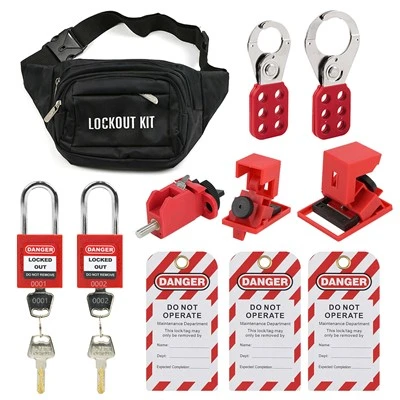
Most people recognize the need for lockout/tagout (LOTO) procedures. This awareness is commendable. However, many critical points are often overlooked: LOTO policies are not the whole story-they don't even cover half the picture.
Machines are not simple on-off toys-powered by electricity, hydraulics, pneumatics, steam, or gravity, they are lifeless and emotionless.
If your team lacks a complete power-off procedure for specific equipment, safety protections are meaningless. You're merely fooling yourselves into thinking you're safe.
This is precisely where energy control procedures prove their worth. They may not be flashy or win applause, but they transform paper policies into tangible, on-site safety safeguards.
Compliance
In 2024 alone, the U.S. Occupational Safety and Health Administration (OSHA) issued 675 citations for companies lacking specific equipment operating procedures. This is no minor issue-it reflects a nationwide pattern where organizations rely on generic, one-size-fits-all policies while assuming they're fully prepared.
A generic LOTO procedure might look flawless in a binder, but it won't tell employees:
1.Which valves to shut off
2.Which switches to flip
3.How to release stored energy
4.Or how to verify equipment is completely de-energized
Without these instructions, workers are left guessing. Guessing in hazardous energy environments? That's not safety-it's playing Russian roulette.
Why a One-Size-Fits-All Approach Won't Work
Think about it: You wouldn't use the same key to open every door in your house. (Unless you actually do-that's a bold choice.)
Universal lockout/tagout policies may mandate "controlling hazardous energy sources." But how exactly?
Locking out a hydraulic press is fundamentally different from isolating an electrical distribution system. Each piece of equipment has unique characteristics-specific operating procedures, potential hazards, and shutdown behaviors. Tailored operating procedures transform complexity into clear, repeatable, and safe processes.
Safety Payoff
Equipment-specific operating procedures are far from mere paperwork. They empower teams with confidence rather than confusion, clearly outlining the path forward:
1.Turn off this switch
2.Close that valve
3.Drain this line
4.Verify zero energy status
When people know exactly what steps to take, mistakes naturally decrease. And fewer mistakes mean safer shifts, fewer workplace injuries, and an overall stronger safety culture.
Key Points
Establish a foundation through lockout/tagout procedures, and refine the system with dedicated equipment workflows.
If it's been a while since you last reviewed your equipment, now is the perfect time. Start with high-risk equipment and proceed step by step-action is always better than perfection.